
As the chill of winter settles in, nothing warms the soul like a steaming bowl of Greek Healing Soup. A cherished dish known for its rich flavor and comforting nature, this Avgolemono Soup intertwines the zest of fresh lemon with delicate herbs like dill, creating a hug in a bowl that truly nourishes. Not only is it a hearty option, but it also supports your wellness journey with healthy ingredients, proving that homemade meals can be both satisfying and nutritious. And for those who prefer a plant-based twist, a simple swap transforms this recipe into a delightful vegetarian version. Are you ready to discover the secret to this beloved dish and bring a taste of Greece into your kitchen?

What makes Greek Healing Soup special?
Comforting Warmth: This Greek Healing Soup offers a soul-soothing experience, perfect for cold days or when you’re feeling under the weather.
Zesty Flavor: The vibrant combination of fresh lemon and aromatic dill creates a mouthwatering brightness that lifts your spirits.
Healthy and Hearty: With protein-rich chicken or chickpeas, this soup is packed with nutrients while being low in carbs.
Versatile Recipe: Easily adaptable for vegetarian diets or different greens, it fits a variety of dietary preferences without sacrificing taste!
Quick and Easy: In less than an hour, you can enjoy a homemade meal that’s both simple to prepare and impressive at the dinner table. For more delicious soup options, try our Cheeseburger Soup Comfort or Cheddar Gnocchi Soup!
Greek Healing Soup Ingredients
• Discover the essentials for a wholesome bowl!
For the Soup Base
- Chicken – Provides protein and richness; substitute with chickpeas for a vegetarian option.
- Vegetable Broth – Acts as the soup’s base; essential for the vegetarian version, opt for low-sodium for healthier options.
For the Veggies
- Spinach – Adds nutrition and vibrant color; can be replaced with kale or Swiss chard if unavailable.
- Carrots – Adds sweetness and texture; replace with celery for an alternative flavor and crunch.
- Onion – Provides a savory base flavor; shallots can be a good substitute if desired.
- Garlic – Adds flavor depth; can be omitted for a milder taste.
For Enriching the Soup
- Eggs – Used to thicken and enrich the soup; ensure to temper eggs to prevent curdling.
- Lemon Juice – Adds tartness and brightness; use fresh lemon juice for the best flavor.
- Dill – Offers a distinct herbal aroma; substitute with parsley for a different flavor profile if needed.
For Seasoning
- Salt & Pepper – Essential for seasoning; adjust to taste based on dietary needs.
With these ingredients at hand, you’re set to create the delightful Greek Healing Soup!
Step‑by‑Step Instructions for Greek Healing Soup
Step 1: Prepare Ingredients
Begin by chopping your onion, garlic, carrots, and spinach into bite-sized pieces. Gather all your ingredients, including chicken (or chickpeas for the vegetarian option) and a pot. This ensures a smooth cooking process as you make your Greek Healing Soup, allowing flavors to meld beautifully.
Step 2: Cook Chicken (if using)
In a large pot, pour in the vegetable broth and heat over medium-high until it simmers. Add the chicken pieces and cook for about 20 minutes until fully cooked through; they should reach an internal temperature of 165°F (74°C). Once done, remove the chicken, shred it, and set aside, keeping the broth bubbling gently.
Step 3: Sauté Vegetables
In the same pot with the simmering broth, add the chopped onion and garlic. Sauté for approximately 5 minutes until the onions become translucent and aromatic. The garlic should emit a fragrant smell, indicating it’s ready for the next ingredients in your comforting Greek Healing Soup.
Step 4: Combine Ingredients
Return the shredded chicken back into the pot, along with the diced carrots and fresh spinach. Allow everything to simmer together for another 10 minutes, until the carrots are tender and vibrant. The combination of colors and scents will awaken your taste buds, hinting at the delicious soup to come.
Step 5: Tempering Eggs
In a medium bowl, whisk together the eggs and fresh lemon juice until well combined. Gradually incorporate a ladle of the hot soup broth into the egg mixture, whisking continuously to gently warm the eggs without cooking them. This technique is essential for achieving the creamy texture in your Greek Healing Soup.
Step 6: Finish Soup
Slowly stir the tempered egg mixture back into the pot, ensuring the soup remains just below boiling to prevent curdling. The Greek Healing Soup should have a creamy consistency and a bright, zesty aroma. Stir thoroughly until everything is perfectly blended.
Step 7: Season & Serve
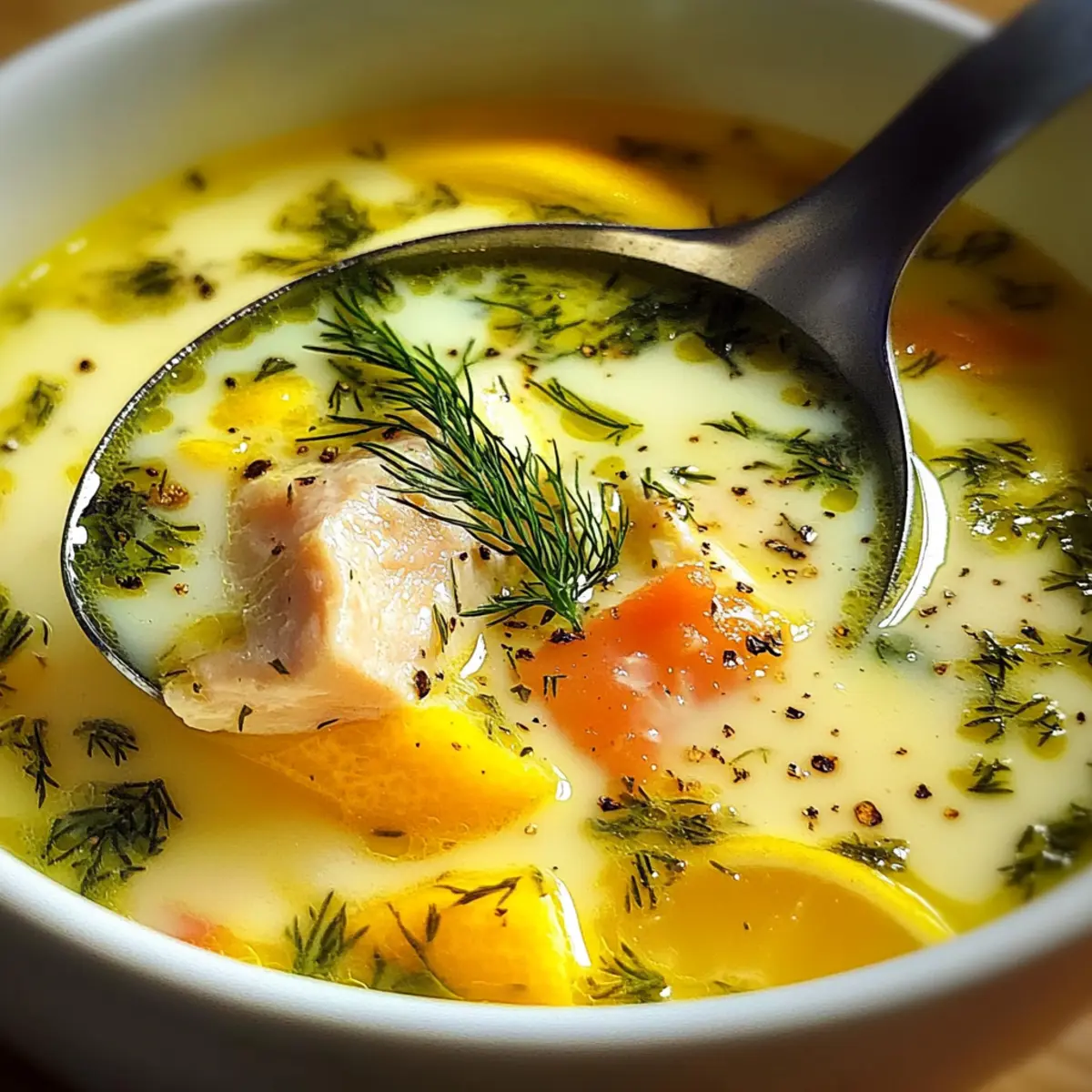
Taste the soup and adjust the seasoning with salt and pepper. Garnish with freshly chopped dill for that signature flavor. Serve your warm Greek Healing Soup in bowls, perhaps with crusty bread on the side to enhance the cozy experience.
Storage Tips for Greek Healing Soup
Fridge: Store your Greek Healing Soup in an airtight container for up to 3 days to maintain freshness and flavor.
Freezer: For longer storage, freeze portions of the soup for up to 2 months. Make sure it’s cooled completely before placing it in freezer-safe containers.
Reheating: When ready to enjoy, thaw overnight in the refrigerator and reheat gently on the stovetop, stirring occasionally until heated through. Avoid boiling to maintain its creamy texture.
Greek Healing Soup Variations & Substitutions
Customize your Greek Healing Soup with delightful twists that suit your palate and dietary needs!
-
Vegetarian Option: Substitute chicken with chickpeas or tofu, using vegetable broth to retain heartiness and flavor. It’s a wonderful way to make this soup a plant-based delight while keeping its comforting essence.
-
Greens Galore: Swap spinach for kale, arugula, or Swiss chard to explore fresh textures and flavors, adding a fun twist to your soup without compromising nutritional benefits.
-
Herb Infusion: Experiment with fresh herbs like parsley or oregano instead of dill, bringing a different aromatic profile that can range from bright to earthy, depending on your choice.
-
Creamy Texture: For an even creamier soup, consider adding a splash of coconut milk or blended silken tofu, which can create a smooth, velvety finish that feels indulgent.
-
Zingy Kick: Add a dash of red pepper flakes or a splash of hot sauce for those who crave extra heat—a little spice can elevate the soup’s warmth beautifully!
-
Citrus Swap: Use lime juice instead of lemon for a unique flavor twist that adds a tropical zing, invigorating your bowl with refreshing brightness.
-
Carrot Alternatives: Replace carrots with parsnips or sweet potatoes for added sweetness and a different flavor dimension in your Greek Healing Soup.
-
Zesty Finish: For a delightful finishing touch, squeeze fresh lime or lemon juice just before serving; it enhances the soup’s brightness, giving a zing with every spoonful.
Every variation invites warmth and creativity into your kitchen. If you’re looking for more cozy comforts, check out our Tuscan Ravioli Soup for another heartwarming bowl!
Expert Tips for Greek Healing Soup
- Egg Tempering Made Easy: Gradually add hot broth to the egg mixture, whisking constantly. This step prevents curdling and ensures a smooth, creamy Greek Healing Soup.
- Fresh Ingredients Are Key: Use fresh lemon juice and herbs for the best flavor. They truly elevate the soup and connect you to its Greek roots.
- Avoid Overcooking: Keep the soup just below boiling after adding the egg mixture. Boiling can lead to curdled eggs, compromising your beautiful soup.
- Customize Greens: Feel free to experiment with other greens like kale or Swiss chard if spinach isn’t available. This will add variety while keeping the dish nutritious.
- Proper Storage: If you have leftovers, store them in an airtight container in the refrigerator for up to 3 days. You can also freeze portions for up to 2 months, just remember to cool completely first!
Make Ahead Options
Preparing Greek Healing Soup in advance is a fantastic way to save time on busy weeknights! You can chop vegetables (like onion, carrots, and spinach) and store them in the refrigerator up to 3 days before cooking. If you’re using chicken, you can also cook it and shred it ahead of time, storing it in an airtight container for up to 24 hours. To maintain the freshness of the soup, store the broth separately from the egg and lemon mixture until you’re ready to serve. When it’s time to enjoy your soup, simply heat the broth, stir in the prepped ingredients, and temper the eggs just before serving. You’ll savor the same comforting flavors with this hassle-free approach!
What to Serve with Greek Healing Soup
Nothing completes a wholesome meal quite like pairing your comforting bowl of Greek Healing Soup with the right accompaniments, enhancing both texture and flavor.
-
Crusty Bread: A loaf of fresh, crusty bread is perfect for dipping, soaking up the soup’s creamy goodness with each bite.
-
Greek Salad: Bright and refreshing, this salad with cucumbers, tomatoes, and feta adds a crunchy contrast to the warmth of the soup.
-
Lemon Rice: The subtle lemony flavor of a fluffy rice dish complements the zesty notes of the soup, creating a harmony of taste.
-
Roasted Vegetables: A medley of seasonal roasted vegetables brings earthy sweetness and a delightful crunch, enriching your meal experience.
-
Olive Tapenade: Spread a touch of olive tapenade on your bread for an extra salty burst of Mediterranean flavor, perfect alongside the creamy soup.
-
Herbal Tea: Pair with a light herbal tea, like chamomile or mint, which cleanses the palate and provides a soothing finish.
Elevate your meal by thoughtfully combining these elements, allowing the flavors of the Greek Healing Soup to shine even brighter!
Greek Healing Soup Recipe FAQs
What type of chicken is best for Greek Healing Soup?
Absolutely! For the most flavor, I recommend using bone-in, skin-on chicken pieces like thighs or drumsticks. They enrich the broth with their natural fats and flavors. However, if you’re looking for a leaner option, boneless, skinless chicken breasts work well too. Just remember to adjust cooking time slightly, as they cook faster.
How should I store leftovers of Greek Healing Soup?
Very simply! Store your Greek Healing Soup in an airtight container in the refrigerator for up to 3 days. Make sure it cools to room temperature before sealing it away. If you want to keep it longer, consider freezing it.
Can I freeze Greek Healing Soup?
Of course! To freeze, first let the soup cool completely. Then, pour it into portion-sized freezer-safe containers, leaving some space at the top for expansion. It can stay in the freezer for up to 2 months. To reheat, thaw overnight in the refrigerator and warm over low heat on the stovetop, stirring gently.
What if my soup curdles when adding eggs?
No worries, this happens to the best of us! If your soup curdles, it’s usually due to too much heat. To avoid this, always temper the eggs before adding them to the soup by gradually whisking in a ladle of the hot broth. When you add the egg mixture back into the pot, ensure it’s just below boiling—this keeps your soup smooth and creamy.
Can I make a vegetarian version of Greek Healing Soup?
Absolutely! To adapt this recipe for a vegetarian palate, simply replace the chicken with chickpeas or tofu and use vegetable broth instead. You can follow the same cooking instructions, keeping in mind that chickpeas may require less simmering time than chicken.
Are there any ingredients I can substitute in Greek Healing Soup?
Certainly! If you can’t find spinach, feel free to use kale or Swiss chard, which both work great. For the herbs, dill adds a unique flavor, but parsley or even fresh oregano can be delicious alternatives. Just remember that your tweak can also add a unique flavor profile!
Greek Healing Soup: A Warm Hug in a Bowl for Your Soul
Ingredients
Equipment
Method
- Begin by chopping your onion, garlic, carrots, and spinach into bite-sized pieces. Gather all your ingredients, including chicken (or chickpeas for the vegetarian option) and a pot.
- In a large pot, pour in the vegetable broth and heat over medium-high until it simmers. Add the chicken pieces and cook for about 20 minutes until fully cooked through; they should reach an internal temperature of 165°F (74°C). Once done, remove the chicken, shred it, and set aside, keeping the broth bubbling gently.
- In the same pot with the simmering broth, add the chopped onion and garlic. Sauté for approximately 5 minutes until the onions become translucent and aromatic.
- Return the shredded chicken back into the pot, along with the diced carrots and fresh spinach. Allow everything to simmer together for another 10 minutes, until the carrots are tender and vibrant.
- In a medium bowl, whisk together the eggs and fresh lemon juice until well combined. Gradually incorporate a ladle of the hot soup broth into the egg mixture, whisking continuously to gently warm the eggs without cooking them.
- Slowly stir the tempered egg mixture back into the pot, ensuring the soup remains just below boiling to prevent curdling. Stir thoroughly until everything is perfectly blended.
- Taste the soup and adjust the seasoning with salt and pepper. Garnish with freshly chopped dill for that signature flavor.
Leave a Reply