
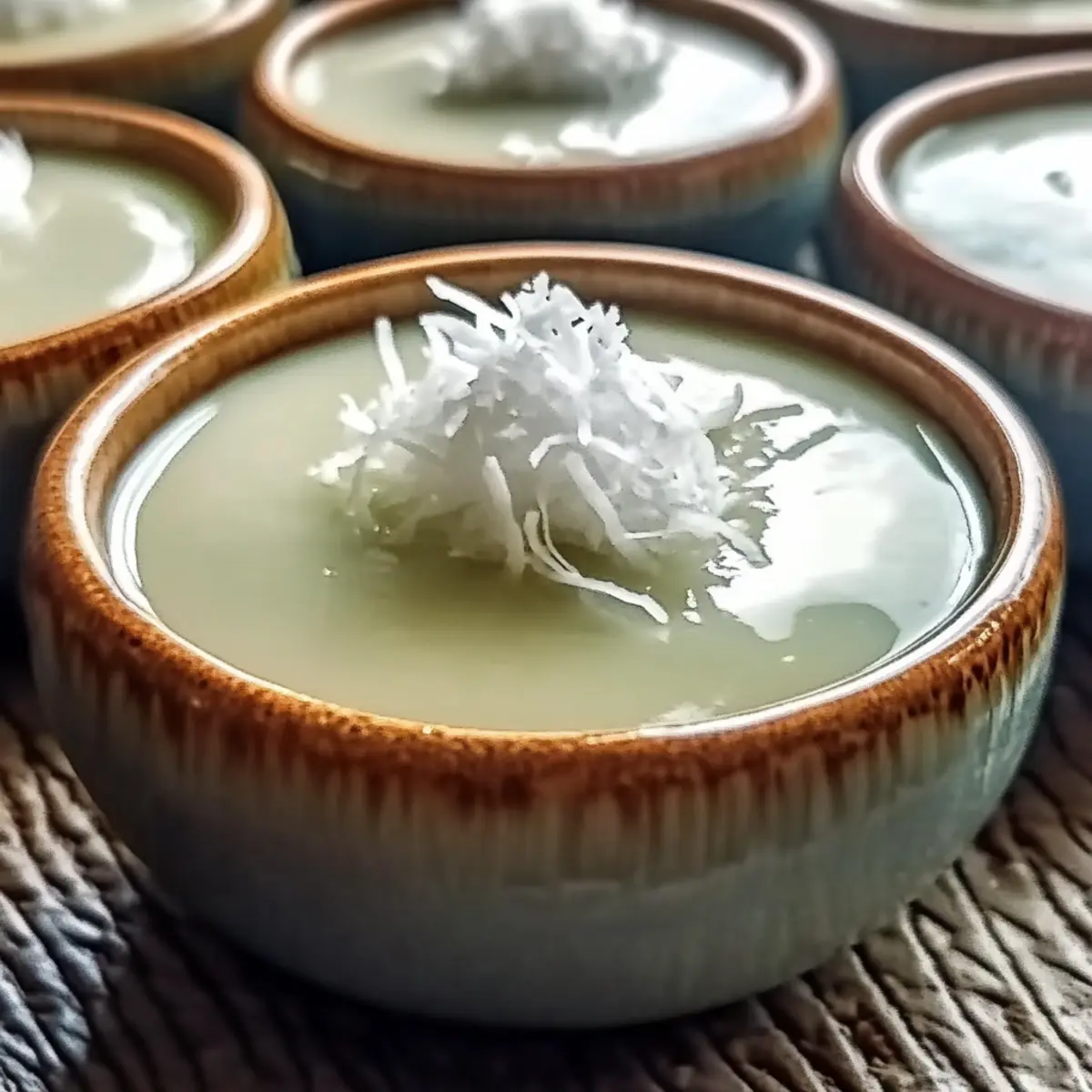
As the aroma of pandan wafts through the kitchen, I’m transported to the vibrant streets of Thailand, where little bowls of Khanom Thuai are savored in the warm sunlight. This Thai Coconut Custard is not just a treat; it’s a delightful experience that combines a rich, creamy custard base with a salty-sweet coconut cream layer. What I love most about this recipe is that it’s effortlessly gluten-free and vegan, making it perfect for anyone who craves a delicious homemade dessert without compromising on dietary needs. Whether you’re hosting friends or enjoying a cozy night in, this custard is sure to impress and hold its own among the sweets of any gathering. Curious to see how easy it is to whip up this tropical delight? Let’s dive into the recipe!
Why is Thai Coconut Custard So Irresistible?
Comforting, Tropical Flavors: This Thai Coconut Custard offers a perfect blend of sweet and salty notes that transport you to a tropical paradise with every bite.
Ease of Preparation: With just a few simple ingredients and straightforward steaming methods, you can create this delightful treat with minimal effort.
Perfect for All Diets: Being both gluten-free and vegan, it caters to varied dietary preferences without sacrificing taste.
Versatile Serving Options: Whether served warm or chilled, this custard can be enjoyed on its own or paired with fresh mango slices to elevate the experience.
Ideal for Any Occasion: Impress guests at dinner parties or treat yourself on a cozy night in with this visually stunning dessert that’s always a crowd-pleaser.
Discover more delicious treats like this Coconut Shrimp Sweet to complement your gatherings!
Thai Coconut Custard Ingredients
For the Custard Base
- Rice Flour – Provides structure; can substitute with all-purpose flour for a different texture.
- Tapioca Flour – Essential for achieving that delightful chewy texture we adore in Thai Coconut Custard.
- Pandan Juice – Infuses unique flavor and color; dilute pandan extract can be a suitable substitute if fresh pandan is unavailable.
- Palm Sugar – Adds the perfect sweetness; brown sugar or coconut sugar also work beautifully.
- Salt – Enhances flavor and balances the sweetness, making the custard irresistibly delicious.
For the Coconut Topping
- Coconut Cream – Adds rich creaminess; if you prefer a lighter option, coconut milk is an acceptable alternative.
- Additional Rice Flour – Acts as a thickening agent for the coconut cream layer, ensuring a glossy finish.
By gathering these simple yet essential ingredients, you’re one step closer to creating this vibrant, sweet, and salty Thai Coconut Custard that will have everyone asking for seconds!
Step‑by‑Step Instructions for Thai Coconut Custard
Step 1: Prepare Cups
Begin by lightly greasing 12 small ceramic cups or mini muffin pans with a neutral oil to prevent the Thai Coconut Custard from sticking. This will ensure that each custard comes out perfectly intact. Preheat your steamer or set up a steaming pot on medium heat while you prepare the custard layers.
Step 2: Mix Bottom Layer
In a mixing bowl, combine rice flour, tapioca flour, pandan juice, palm sugar, and a pinch of salt. Whisk the ingredients together until the mixture is smooth, ensuring there are no lumps. This vibrant mixture forms the creamy base of your Thai Coconut Custard and should have a glossy appearance before you proceed.
Step 3: Steam Bottom Layer
Pour the prepared mixture into the greased cups, filling them halfway. Place the cups in the steamer basket and cover it with a lid. Steam over medium heat for about 5 to 6 minutes until the bottom layer is just set; it should have a light firmness but still jiggle slightly when touched.
Step 4: Combine Top Layer
While the bottom layer is steaming, prepare the topping by whisking together the coconut cream, additional rice flour, and a pinch of salt in a separate bowl. Mix until smooth and well blended, ensuring the rice flour is fully incorporated so that your topping has a perfect consistency.
Step 5: Add Top Layer
Once the bottom layer has set, carefully pour the coconut cream mixture over the top of each cup. Be gentle to maintain the distinct layers of the Thai Coconut Custard. Return the cups to the steamer and steam for an additional 5 to 7 minutes, until the top layer is fully set and glossy.
Step 6: Cool and Serve
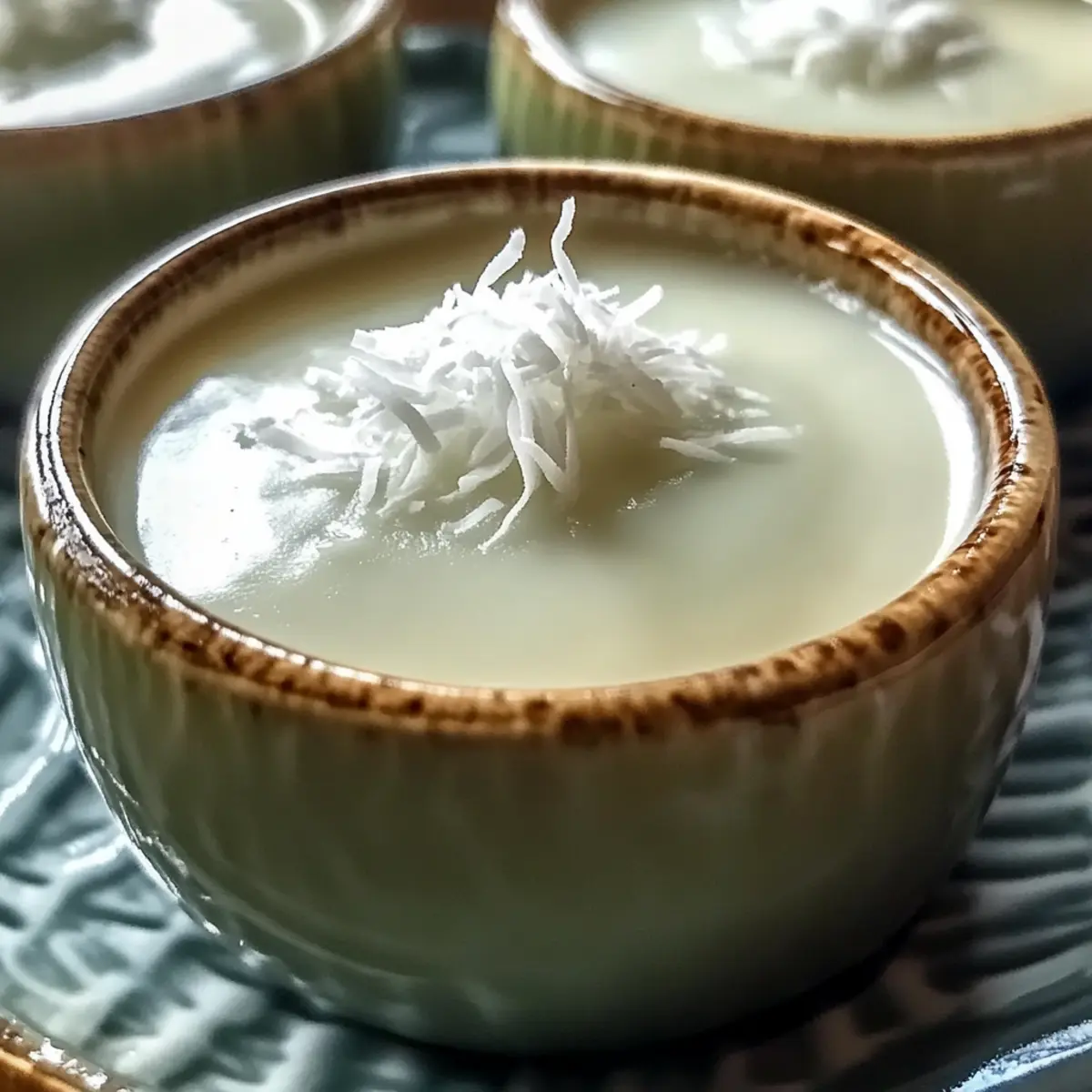
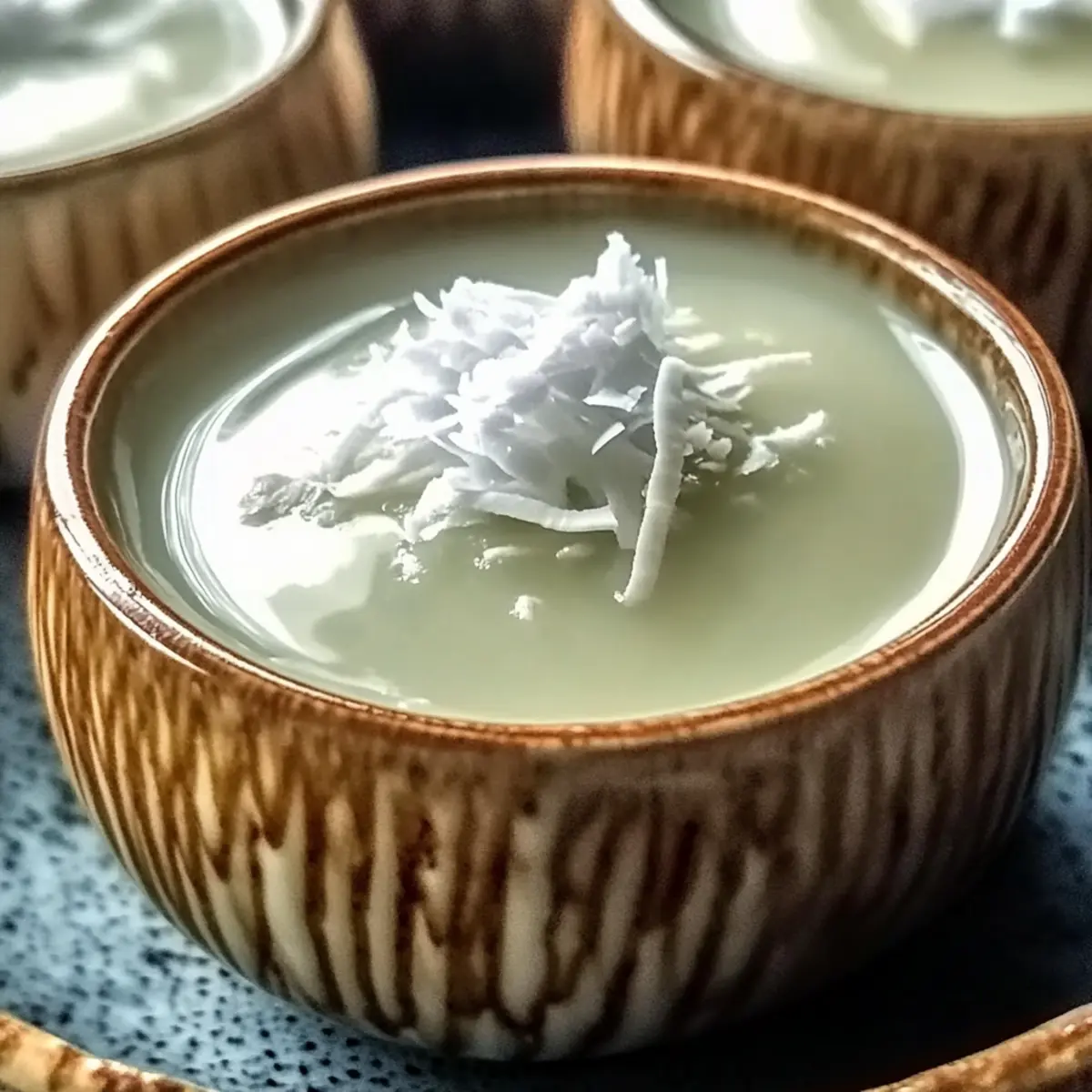
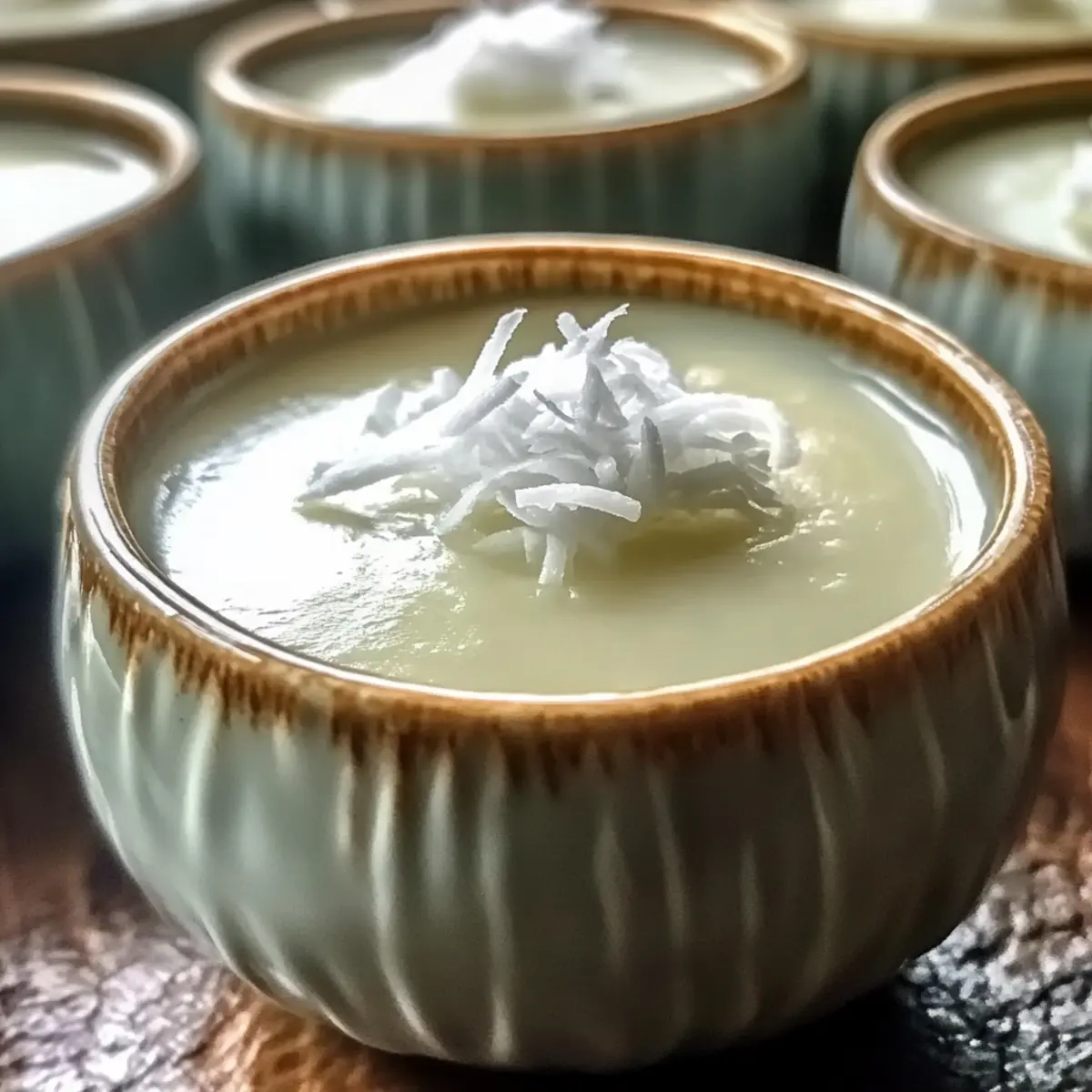
After steaming, allow the custards to cool slightly in the cups, about 10 minutes. Once cooled, gently run a knife around the edges and invert the cups to release the custards. You can serve them warm or chilled, garnished with fresh fruit or shredded coconut for added delight.
Thai Coconut Custard: Fun Variations Ahead!
Feel free to get creative with this delightful dessert that’s sure to impress!
- Nut-Free: Use a different sugar alternative like maple syrup and skip the coconut cream for a lighter option.
- Fruit-Infused: Blend in some berry puree for a unique twist, adding a fruity layer of flavor that brightens up the custard.
- Spicy Kick: For those who like some heat, sprinkle a pinch of chili powder on top of the coconut cream layer before steaming.
- Coconut Milk: Swap coconut cream for coconut milk for a lighter version that still delivers on creaminess—just adjust the rice flour accordingly.
- Caramel Drizzle: After cooling, drizzle with warm caramel sauce to elevate the dessert experience with an extra sweet layer of indulgence.
- Matcha Magic: Incorporate matcha powder into the custard base for a beautiful green hue and earthy flavor that pairs wonderfully with coconut.
- Garnish Options: Top with toasted coconut flakes or crushed nuts for extra crunch and flavor that contrasts the creaminess.
- Chocolate Lovers: For a decadent twist, add cocoa powder to the custard mix for a chocolatey coconut dream.
Don’t forget to enjoy this with other delicious treats like our sweet Coconut Shrimp Sweet to bring the flavors of Thailand right to your home!
How to Store and Freeze Thai Coconut Custard
Fridge: Store leftover Thai Coconut Custard in an airtight container in the refrigerator for up to 2 days. This keeps the layers fresh and ready for your next craving.
Freezer: For longer storage, freeze the custard in an airtight container for up to 1 month. Thaw overnight in the fridge before serving for the best texture.
Reheating: If you prefer it warm, gently reheat the custard in a steamer for a few minutes, being careful not to overheat it, which can alter the texture.
Serving: Enjoy the custard chilled for a refreshing dessert or warm for a comforting treat—feel free to add fresh fruit or shredded coconut for a delightful finish!
What to Serve with Thai Coconut Custard
As you savor the rich, creamy layers of this delightful custard, consider these scrumptious pairing options to create a complete and inviting meal experience.
-
Fresh Mango Slices: The sweetness and juiciness of ripe mango beautifully complement the custard’s flavors, adding a tropical twist.
-
Crispy Spring Rolls: The contrast of the crunchy texture with the silky custard enhances each bite, providing a delightful crunch.
-
Fruit Salad: A medley of fresh fruits adds a refreshing zing, balancing the rich custard with vibrant colors and flavors.
-
Grilled Pineapple: The caramelized sweetness of grilled pineapple pairs harmoniously with the custard, creating a mouthwatering experience.
-
Roasted Cashews: These nutty bites add a lovely crunch and a hint of saltiness that elevates the custard’s sweet profile.
-
Thai Iced Tea: The aromatic spices and creamy texture of this beloved drink offer a soothing complement to the luscious custard.
-
Coconut Sorbet: For a cool finish, the light and refreshing sorbet echoes the coconut notes in the custard without being overwhelming.
Indulging in these pairings not only enhances your dessert experience but also helps transport you to the vibrant streets of Thailand with every bite!
Expert Tips for Thai Coconut Custard
-
Steaming Precision: Ensure no water touches the custard cups during steaming; this prevents a soggy texture in your Thai Coconut Custard.
-
Layering Care: Pour the top layer gently to avoid mixing with the bottom layer, which keeps each component distinct and beautiful.
-
Timing Matters: Adjust your steaming time based on the cup size; larger ramekins may need a few extra minutes to set properly.
-
Storage Solutions: Keep leftovers in the refrigerator for up to 2 days, or freeze them for a month. Thaw overnight and serve chilled or warmed for a delightful treat.
-
Taste Balance: When measuring salt, just a pinch can enhance flavors, striking a sweet-salty balance that makes this dessert irresistible.
Make Ahead Options
These Thai Coconut Custards are a perfect make-ahead dessert for busy cooks who want to save time without sacrificing flavor! You can prepare the custard base up to 24 hours in advance. Simply follow the initial steps to create and steam the bottom layer, then let them cool completely. Cover the cups tightly with plastic wrap and refrigerate. When you’re ready to serve, prepare the coconut cream topping, pour it over the cold custard base, and steam for an additional 5–7 minutes until glossy and set. This process not only saves you time but ensures that these delightful Thai Coconut Custards taste just as fresh and delicious as if made on the spot!
Thai Coconut Custard Recipe FAQs
What should I look for when selecting pandan juice?
When selecting pandan juice, ensure it’s vibrant green and has a fresh aroma. If using fresh pandan leaves, look for bright leaves without dark spots or wilting. If you can’t find pandan juice, diluted pandan extract can be a great substitute.
How should I store leftover Thai Coconut Custard?
You can store leftover Thai Coconut Custard in an airtight container in the refrigerator for up to 2 days. Be sure to let it cool completely before sealing to avoid condensation, which can affect the texture. If you’d like to keep it longer, freezing is a great option!
Can I freeze Thai Coconut Custard?
Absolutely! To freeze, place the custards in an airtight container or freezer-safe bags, separating layers with parchment paper if needed. They can be stored for up to 1 month. When ready to enjoy, thaw them overnight in the refrigerator, then gently reheat in a steamer or serve chilled.
What if my custard doesn’t set properly?
If the custard isn’t setting, check the steaming time—larger cups may require additional time. Ensure that the temperature is consistent throughout the steaming process. If still too soft, it may need less water in the steaming pot to prevent a watery layer. Next time, try increasing the rice flour slightly in the mixture for better texture.
Are there any dietary considerations with this recipe?
This Thai Coconut Custard is gluten-free and vegan, making it suitable for many dietary preferences. However, be cautious of allergies to coconut or specific sweeteners. Always double-check that your sugar alternatives are gluten-free if necessary. Enjoy this delightful treat knowing it’s inclusive and delicious!
Thai Coconut Custard: Sweet Vegan Bliss in Every Bite
Ingredients
Equipment
Method
- Lightly grease 12 small ceramic cups or mini muffin pans with neutral oil. Preheat your steamer or set up a steaming pot on medium heat.
- In a mixing bowl, combine rice flour, tapioca flour, pandan juice, palm sugar, and salt. Whisk until smooth.
- Pour the mixture into greased cups, filling them halfway. Steam for 5 to 6 minutes until set.
- Prepare the topping by whisking together coconut cream, additional rice flour, and salt until smooth.
- Carefully pour the coconut cream mixture over the set bottom layer and steam for another 5 to 7 minutes.
- Allow to cool in the cups for about 10 minutes, then invert to release.
Leave a Reply