
While savoring a bowl of steaming noodles, I stumbled upon a delightful revelation: the magic of spicy Korean flavors combined with the comforting chewiness of noodle dishes. This is why I’m excited to share my Spicy Korean Gochujang Beef Noodles recipe, a dish that balances heat and savor in every bite. Not only is it a crowd-pleaser that will impress your friends and family, but it’s also customizable, so you can tweak it to make it just right for your palate. With its quick prep time, you can whip up a satisfying dinner in under 30 minutes—perfect for those busy weeknights when you crave something homemade yet exciting. Ready to dive into this flavor adventure? Let’s get cooking!
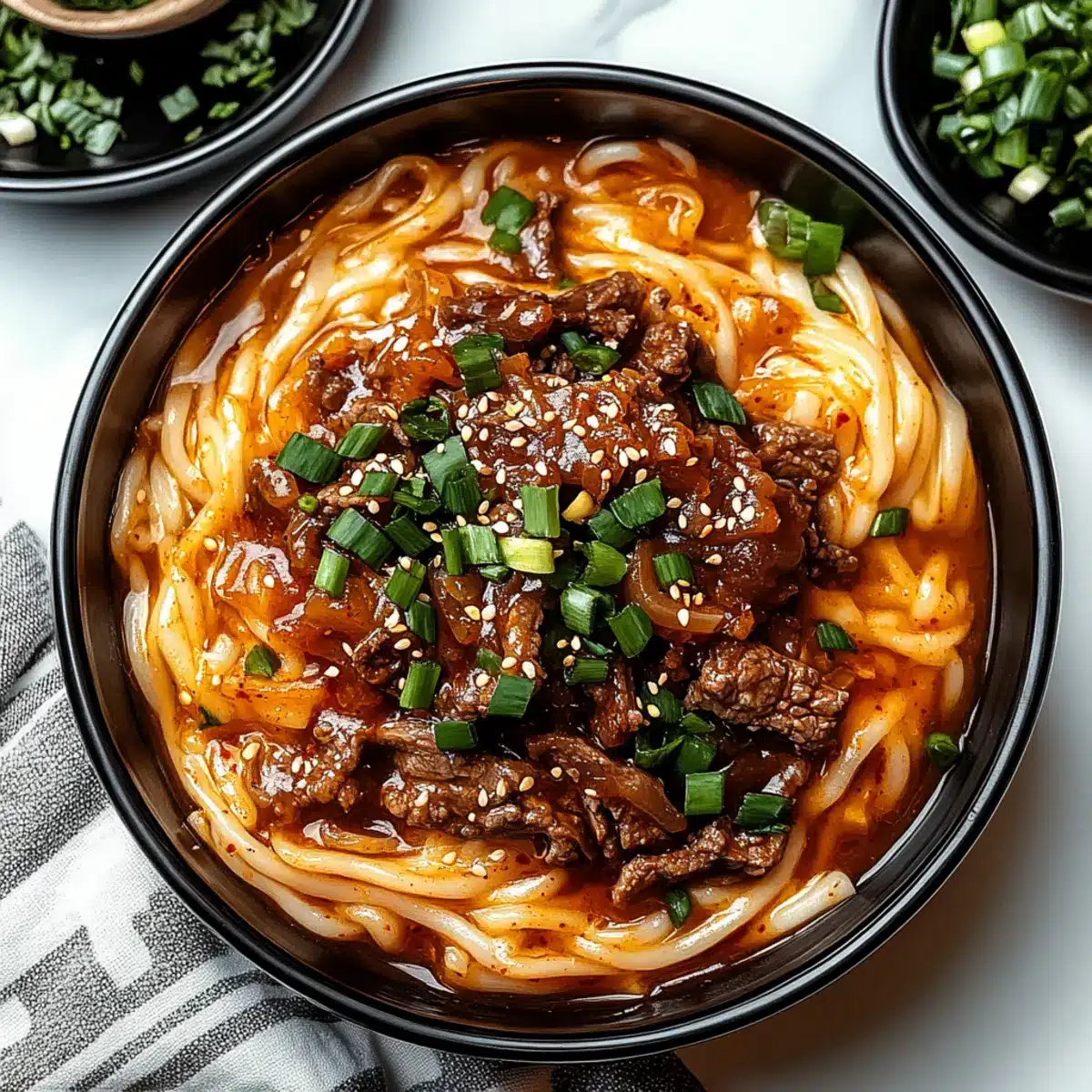
Why are these noodles a must-try?
Bold flavors: The vibrant gochujang sauce elevates these noodles, delivering a fiery yet balanced kick that dances on your taste buds.
Quick and easy: With just 30 minutes from start to finish, this dish is perfect for weeknight dinners or when you want a homemade meal without spending hours in the kitchen.
Customizable choices: Whether you stick with classic beef or mix it up with chicken, shrimp, or tofu, you can tailor this recipe to suit your preferences.
Comfort in every bite: Combining chewy noodles with tender beef and fresh veggies creates a delightful texture that satisfies cravings effortlessly.
Crowd-pleaser: Impress your friends and family with a delicious meal that showcases the bold and diverse flavors of Korean cuisine; they’ll be asking for seconds!
Spicy Korean Gochujang Beef Noodles Ingredients
• Get ready to create a fiery feast!
For the Beef:
- Beef Sirloin – Thinly sliced for quick cooking and ultimate tenderness.
- Vegetable Oil – Any neutral oil works great for sautéing or frying.
For the Sauce:
- Garlic – Freshly minced adds a punch of aromatic depth.
- Soy Sauce – Provides umami and saltiness; opt for low-sodium if desired.
- Brown Sugar – Balances the spice of gochujang—use honey for a natural touch.
- Gochujang – The star of the show, this Korean chili paste packs a spicy punch!
- Sesame Oil – Adds a nutty richness; toasted sesame oil amplifies flavor.
- Rice Vinegar – A splash brings acidity; apple cider vinegar makes a fine substitute.
For the Veggies:
- Onion – Introduces sweetness and texture; shallots can be a gentler swap.
- Red Bell Pepper – Brightens the dish with color and sweetness; other bell peppers or carrots can be used instead.
For the Noodles:
- Cooked Noodles – Choose your favorite type like ramen or udon for a delicious base.
For Garnish:
- Sesame Seeds – Adds a delightful crunch on top.
- Sliced Green Onions – A touch of freshness and color; chives or shallots work too!
This Spicy Korean Gochujang Beef Noodles recipe is sure to tantalize your taste buds with its bold flavors and customizable options!
Step‑by‑Step Instructions for Spicy Korean Gochujang Beef Noodles
Step 1: Prepare Your Ingredients
Begin by thinly slicing the beef sirloin against the grain, which ensures tenderness during cooking. Mince the garlic, and slice the onions and red bell peppers into bite-sized pieces. Cook the noodles according to the package instructions, then drain and set aside while you prep the delicious sauce.
Step 2: Heat the Oil
In a large skillet or wok, heat 2 tablespoons of vegetable oil over medium-high heat until shimmering. This should take about 1-2 minutes. Make sure the oil is hot enough that it sizzles when you add the beef, giving it a nice sear and flavor boost that will elevate your Spicy Korean Gochujang Beef Noodles.
Step 3: Cook the Beef
Add the thinly sliced beef to the hot skillet in a single layer, allowing it to brown without overcrowding; this will take around 3-5 minutes. As soon as the beef is browned on one side, stir it quickly to ensure even cooking. Once cooked through, remove the beef from the skillet and set it aside to keep it tender.
Step 4: Sauté Aromatics
In the same skillet, add the minced garlic and sliced onion. Sauté for about 2-3 minutes over medium heat, stirring frequently, until the onion becomes translucent and the garlic is fragrant. This step adds aromatic depth that complements the dish beautifully and enriches the flavors of your Spicy Korean Gochujang Beef Noodles.
Step 5: Add the Bell Pepper
Throw the sliced red bell pepper into the skillet with the garlic and onion. Cook for another 2-3 minutes until the bell pepper is slightly tender but still crisp. This adds a lovely color and sweetness to your dish, giving your Spicy Korean Gochujang Beef Noodles that vibrant and fresh touch.
Step 6: Mix the Sauce
In a separate bowl, whisk together soy sauce, brown sugar, gochujang, sesame oil, and rice vinegar until smooth. This mixture will create the rich, spicy sauce that brings everything together. Adjust the amount of gochujang based on your heat preference to personalize your Spicy Korean Gochujang Beef Noodles just the way you like.
Step 7: Combine Sauce with Vegetables
Pour the sauce mixture into the skillet over the sautéed vegetables. Stir well to coat everything with the sauce, cooking for an additional 2 minutes. The sauce should begin to thicken slightly, making your Spicy Korean Gochujang Beef Noodles even more enticing and flavorful.
Step 8: Return Beef to Skillet
Add the previously cooked beef back into the skillet, tossing everything together until the beef is well coated with the spicy sauce. This should take about 1-2 minutes, allowing the flavors to meld. Your kitchen should be filled with inviting aromas as you prep to elevate your Spicy Korean Gochujang Beef Noodles into a final assembly.
Step 9: Add the Noodles
Gently introduce the cooked noodles into the skillet, tossing them with the beef and vegetables. Ensure the noodles are evenly coated in the spicy sauce as you stir everything together for about 2-3 minutes. This step ensures every bite of your Spicy Korean Gochujang Beef Noodles is packed with flavor.
Step 10: Finish Cooking
Continue cooking until everything is heated through and the noodles are slightly glossy from the sauce, about 2 more minutes. Keep an eye on the noodles to prevent overcooking; they should be tender yet chewy, providing the perfect base for the delightful flavors in your Spicy Korean Gochujang Beef Noodles.
Step 11: Garnish and Serve
Finally, remove the skillet from the heat, and serve your Spicy Korean Gochujang Beef Noodles hot from the skillet. Garnish generously with sesame seeds and sliced green onions for a fresh pop of flavor and crunch. Your dish is now ready to impress with its beautiful presentation and tantalizing taste!
Make Ahead Options
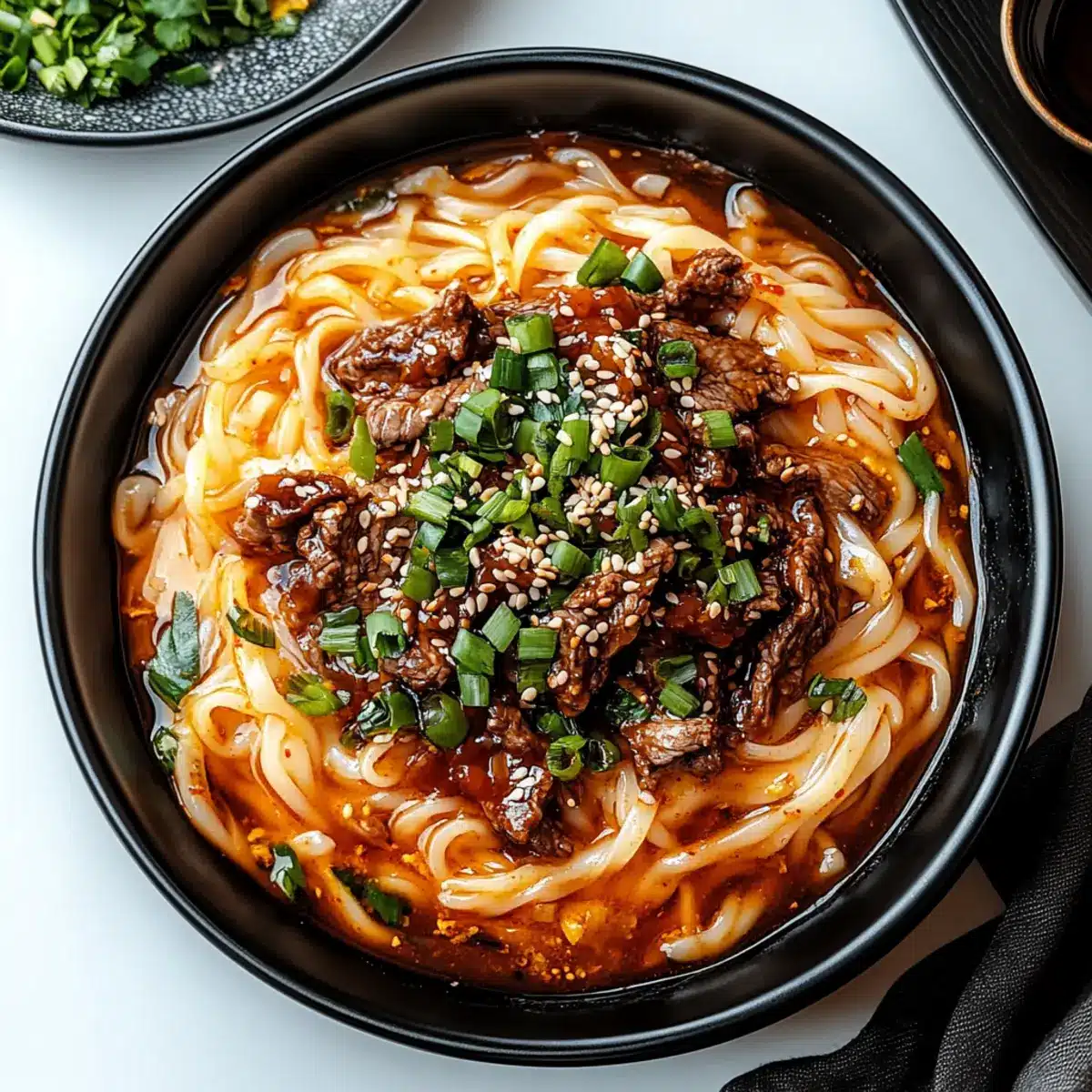
These Spicy Korean Gochujang Beef Noodles are perfect for meal prep enthusiasts! You can prep the beef and sauce up to 24 hours in advance; simply slice the beef and store it in an airtight container in the refrigerator along with the prepared sauce. This keeps the beef tender and flavorful. The noodles are best cooked fresh, but you can cook them and refrigerate for up to 3 days; just toss them in a little oil to prevent sticking. When you’re ready to enjoy, quickly sauté the prepped beef and vegetables, then add the noodles, warming everything through in just a few minutes. This recipe ensures you can savor homemade goodness without sacrificing precious time on busy weeknights!
What to Serve with Spicy Korean Gochujang Beef Noodles
To create a vibrant and complete meal, pair this delightful noodle dish with sides and drinks that complement its bold and spicy flavors.
-
Creamy Cucumber Salad: This refreshing salad provides a cool contrast to the heat of the noodles, balancing flavors beautifully. Tossing in sesame oil adds an extra Korean touch.
-
Steamed Bok Choy: Tender yet crisp, bok choy has a light texture that pairs well with the rich noodles while adding vibrant green color to your plate.
-
Asian Slaw: A crunchy slaw with cabbage, carrots, and a tangy dressing brings a delightful texture and flavor that enhances the overall dining experience.
-
Kimchi: For those who love a spicy kick, kimchi serves as a bold and fermented side that mirrors the essence of Korean cuisine, making each bite even more exciting.
-
Rice: Serve jasmine or sticky rice as a comforting base to scoop up flavorful noodles and sauce, providing a neutral backdrop for the dish’s spiciness.
-
Chilled Soju Cocktails: Refreshing and light, a cucumber or citrus-infused soju cocktail elevates your dining experience while counterbalancing the heat of the noodles.
Spicy Korean Gochujang Beef Noodles Variations
Feel free to explore these creative options to customize your dish and make it your own!
-
Chicken Swap: Use sliced chicken breast or thigh instead of beef for a lighter protein option. The flavors meld beautifully with the sauce!
-
Shrimp Delight: Substitute beef with shrimp for a quick, seafood twist that cooks up in no time. Pairing shrimp with gochujang creates an exciting flavor experience.
-
Tofu Version: For a vegetarian take, substitute the beef with firm tofu. Marinate it in the sauce before cooking for an extra punch of flavor.
-
Noodle Choice: Swap out ramen with other noodles like udon or rice noodles depending on your pantry. This can alter the texture just enough for a fun change!
-
Veggie Boost: Add extra vegetables like snap peas or bok choy for added nutrients and crunch. They’ll complement the dish while absorbing all that delicious sauce.
-
Heat It Up: Increase the spice level by adding a teaspoon of crushed red pepper flakes or a splash of hot chili oil to the sauce. Feel the fiery kick!
-
Bibimbap Twist: For a deconstructed style, serve the beef and sauce over rice with fresh veggies, an egg, and some spicy kimchi on the side. A delightful mix of textures!
You might also enjoy exploring how these variations can shine alongside Sticky Garlic Chicken Noodles or try a different flavor journey with Chilli Beef Flavor. Happy cooking!
Expert Tips for Spicy Korean Gochujang Beef Noodles
-
Slice Against the Grain: Always slice the beef sirloin against the grain for tenderness; this ensures each bite melts in your mouth beautifully.
-
Adjust Spice Levels: Feel free to modify the amount of gochujang in your sauce based on your heat tolerance; start with less and add more as needed.
-
Cook Noodles Al Dente: Avoid mushy noodles by cooking them al dente; they should still have a slight bite to hold up against the rich sauce.
-
Flavor Variations: Experiment with different vegetables or proteins to customize your Spicy Korean Gochujang Beef Noodles; add shrimp or tofu for a delightful twist.
-
Storage for Freshness: For meal prep, store the beef and sauce separately from the noodles to keep them fresh, flavorful, and maintain texture.
Storage Tips for Spicy Korean Gochujang Beef Noodles
Fridge: Store leftovers in an airtight container for up to 3-4 days. This helps maintain flavor and freshness while keeping your Spicy Korean Gochujang Beef Noodles ready for quick meals.
Freezer: For longer storage, freeze the noodles and sauce separately in airtight containers for up to 2 months. This preserves texture and flavor. Thaw overnight in the fridge before reheating.
Reheating: Reheat in a skillet over medium heat, adding a splash of water or broth to revive the sauce. Toss until heated through for best results. Enjoy your Spicy Korean Gochujang Beef Noodles as if they were freshly made!
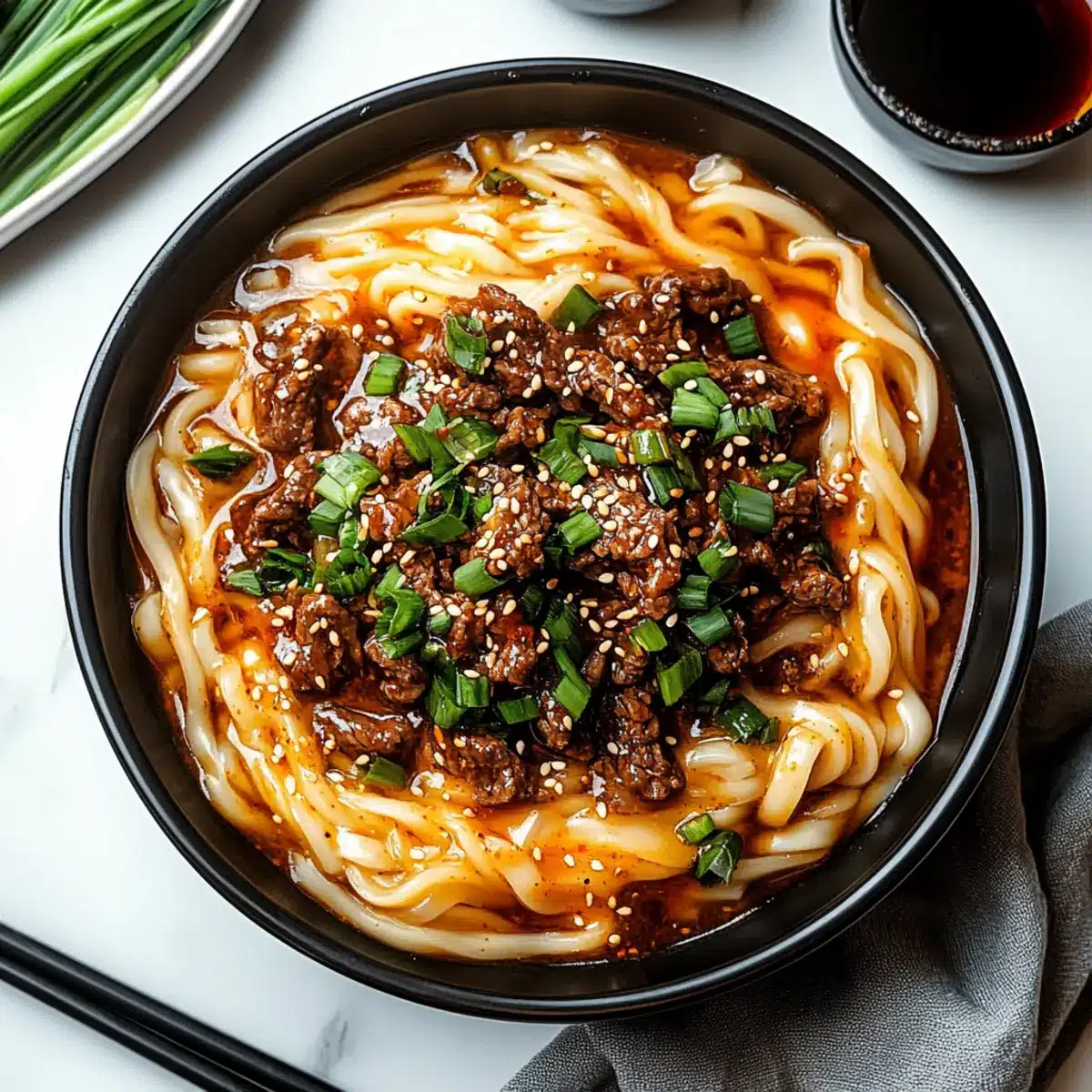
Spicy Korean Gochujang Beef Noodles Recipe FAQs
What type of beef is best for this recipe?
Absolutely! For the best flavor and tenderness, use thinly sliced beef sirloin. You can also try flank steak or ribeye, but ensure they’re sliced against the grain for maximum tenderness.
How should I store leftovers from this dish?
Store leftovers in an airtight container in the refrigerator for up to 3-4 days. This keeps your Spicy Korean Gochujang Beef Noodles fresh and ready for quick reheating during busy weeknights!
Can I freeze Spicy Korean Gochujang Beef Noodles?
Yes, you can freeze this dish! To do so, separate the noodles from the beef and sauce to maintain texture. Place each component in airtight containers and freeze for up to 2 months. When you’re ready to enjoy, simply thaw overnight in the fridge and reheat in a skillet over medium heat, adding a splash of water or broth as needed.
What should I do if my noodles overcook?
Very! If your noodles overcook, they may become mushy. To prevent this, cook them al dente according to the package instructions and always check for tenderness while cooking. If they do overcook, toss them in some oil after draining to help prevent stickiness.
Are there any dietary considerations for this recipe?
For those with dietary restrictions, you can easily customize the recipe! Use gluten-free soy sauce for a gluten-free version or substitute beef with chicken, shrimp, or tofu to suit your dietary preferences. Keep in mind for allergies, the gochujang contains fermented soy, so be cautious if allergic to soy products.
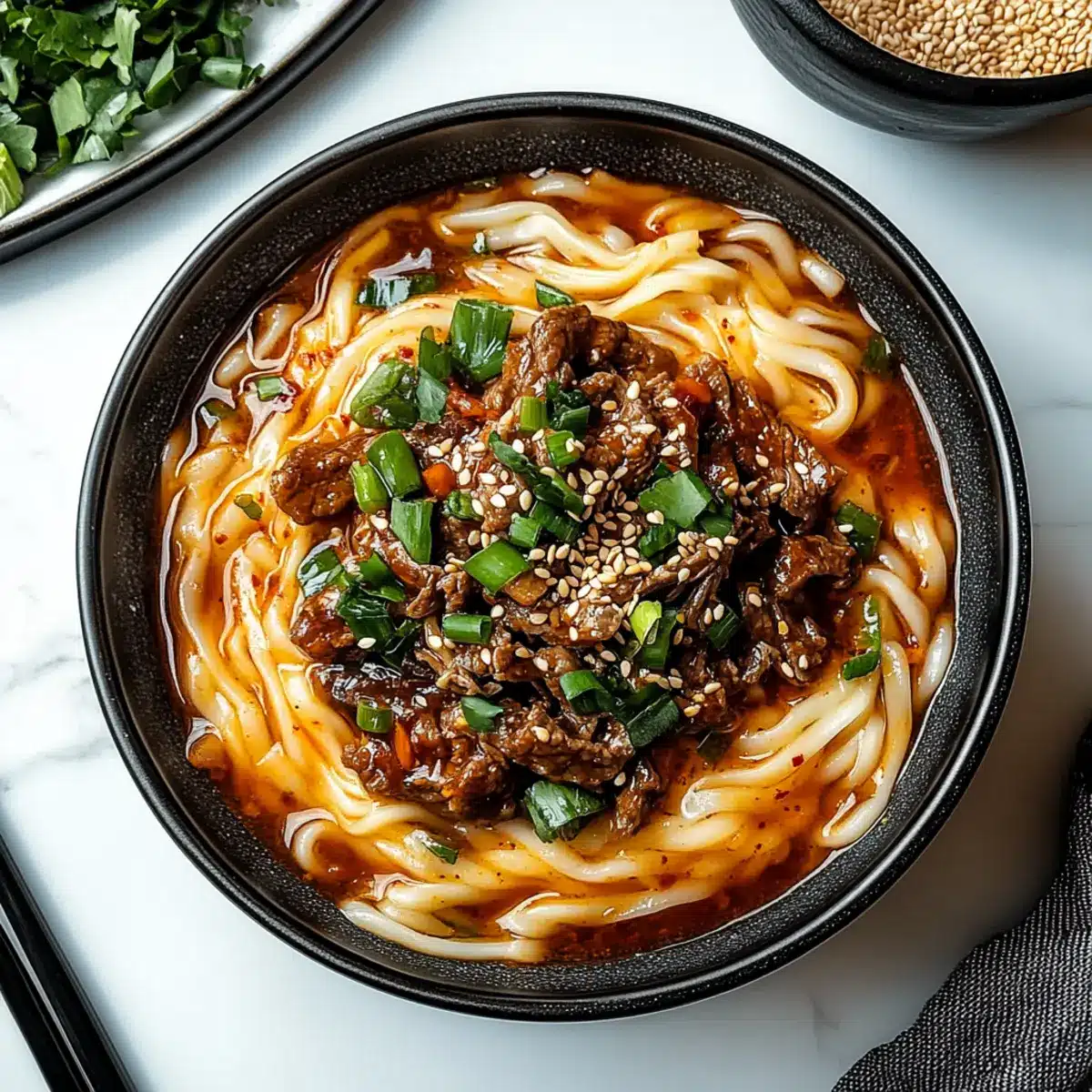
Spicy Korean Gochujang Beef Noodles That Dazzle Your Palate
Ingredients
Equipment
Method
- Step 1: Prepare Your Ingredients - Thinly slice the beef sirloin, mince garlic, and slice onions and bell peppers. Cook noodles and set aside.
- Step 2: Heat the Oil - In a skillet, heat vegetable oil over medium-high until shimmering.
- Step 3: Cook the Beef - Add beef to the skillet and brown on one side, about 3-5 minutes. Remove from skillet once cooked.
- Step 4: Sauté Aromatics - In the same skillet, add minced garlic and onion, sauté until translucent.
- Step 5: Add the Bell Pepper - Cook sliced bell pepper with garlic and onion for 2-3 minutes.
- Step 6: Mix the Sauce - Whisk together soy sauce, brown sugar, gochujang, sesame oil, and rice vinegar in a bowl.
- Step 7: Combine Sauce with Vegetables - Pour the sauce into the skillet and cook for 2 minutes.
- Step 8: Return Beef to Skillet - Add cooked beef back into the skillet and mix.
- Step 9: Add the Noodles - Toss cooked noodles with beef and vegetables in the skillet.
- Step 10: Finish Cooking - Cook until heated through and glossy, about 2 more minutes.
- Step 11: Garnish and Serve - Serve hot, garnished with sesame seeds and green onions.
Leave a Reply