
In a bustling kitchen, one whiff of a dish can transport you to far-off places. Today, I’m excited to share a recipe for Coconut Gochujang Chicken Meatballs that does just that. If you’re craving a quick meal that packs a punch of flavor, this delicious creation is perfect for your weeknight dinner rotation. These tender meatballs, swimming in a creamy, spicy-sweet sauce, come together in just 30 minutes, proving that homemade doesn’t have to be time-consuming. With the unique fusion of Korean gochujang and rich coconut milk, each bite offers a delightful experience that will leave your taste buds dancing. Plus, this one-pot recipe means less cleanup and more time to enjoy your meal. Are you ready to embark on a flavor adventure with me? Let’s dive into the recipe!
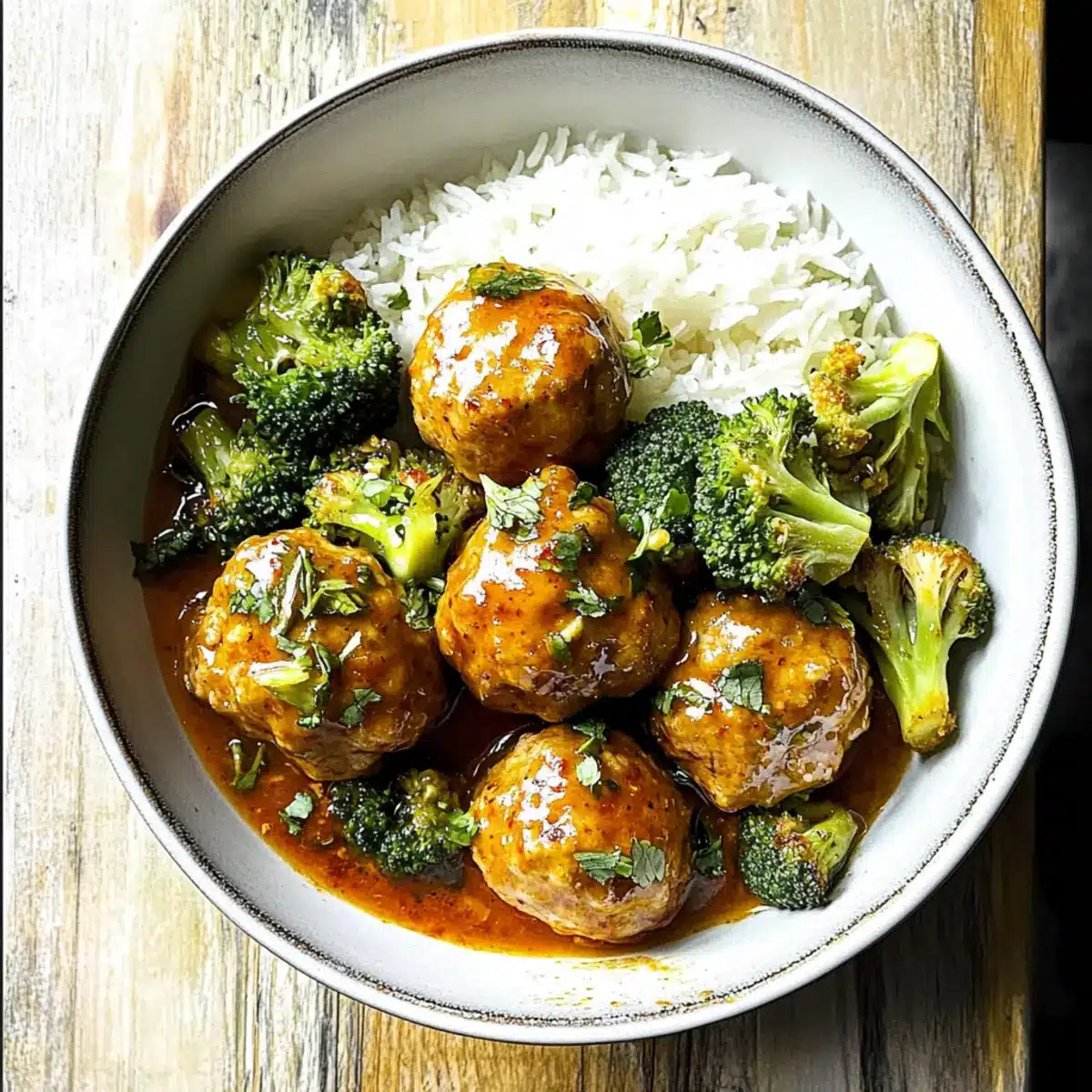
Why are Coconut Gochujang Meatballs a must-try?
Quick and Easy: This dish requires only 30 minutes from start to finish, making it the perfect choice for busy weeknights.
Spicy-Sweet Fusion: The combination of gochujang and coconut milk creates an irresistible sauce that’ll entertain your palate and keep you satisfied.
One-Pot Marvel: With minimal cleanup, you can enjoy a flavor-packed meal without the fuss of multiple pots and pans.
Customizable Ingredients: Feel free to swap in your favorite veggies, or even try ground turkey for a lighter twist, just like in my Chicken Bacon Ranch casserole!
Crowd-Pleasing Delight: Perfect for family dinners or gatherings, these meatballs are sure to impress your guests and leave them coming back for seconds.
Don’t miss out on this culinary adventure that’s both comforting and exciting!
Coconut Gochujang Chicken Meatballs Ingredients
For the Meatballs
• Ground Chicken – A versatile protein that creates tender meatballs; swap for ground turkey or pork if desired.
• Low Sodium Soy Sauce – Enhances savory flavors in the meatballs; tamari works as a gluten-free alternative.
• Egg Yolk – Helps bind ingredients together; can use a flax egg for a vegan option.
• Breadcrumbs – Adds texture and keeps the meatballs light; consider gluten-free breadcrumbs as needed.
• Garlic Powder – Adds depth of flavor; fresh minced garlic is a great substitute.
• Black Pepper – For seasoning; adjust according to your taste preferences.
• Vegetable Oil – Ideal for browning meatballs; olive or coconut oil can be substituted.
For the Sauce
• Unsalted Butter – Provides richness to the sauce; ghee or a vegan alternative works well too.
• Garlic Cloves – Freshly minced for a burst of flavor; grate or finely mince for the best results.
• Grated Ginger – Infuses warmth into the sauce; ground ginger can serve in a pinch.
• Salt – Essential for balancing flavors; always taste before adding more.
• Ground Cumin – Offers earthy tones; feel free to omit if unavailable.
• Turmeric – Adds color and warmth; curry powder can be a good substitute.
• Chicken Broth – Forms the base of the sauce; swap for vegetable broth for a vegetarian option.
• Fish Sauce – Adds umami; can be omitted for a vegetarian or vegan dish.
• Honey – Balances heat with sweetness; maple syrup can substitute for a vegan touch.
• Gochujang Paste – The key ingredient that gives heat and richness, adjust to your spice level preference.
• Coconut Milk – Creates a creamy sauce; full-fat coconut milk is recommended for ideal texture.
• Lime Juice – Brightens the dish; lemon juice can work as an alternative.
For the Vegetables
• Broccoli – Adds nutrition and texture; zucchini or cauliflower are excellent substitutes.
• Cilantro Leaves – Fresh garnish that elevates the dish; feel free to leave it out if you’re not a fan.
Step‑by‑Step Instructions for Coconut Gochujang Chicken Meatballs
Step 1: Prepare the Vegetables
Begin by washing and cutting the broccoli into small florets, ensuring they are evenly sized for quick cooking. To enhance the sauce, grate the ginger and finely mince the garlic cloves. Set all the vegetables aside, ready to infuse vibrant flavors into the Coconut Gochujang Chicken Meatballs and sauce.
Step 2: Mix the Meatball Ingredients
In a large mixing bowl, combine the ground chicken, low sodium soy sauce, egg yolk, breadcrumbs, garlic powder, and black pepper. Use your hands or a fork to mix until just blended, being careful not to overwork the mixture. Form the mixture into meatballs, about 2 tablespoons each, yielding approximately 20 tender meatballs.
Step 3: Brown the Meatballs
Heat a tablespoon of vegetable oil and a tablespoon of unsalted butter in a large skillet over medium heat. Once hot, add the meatballs in a single layer, making sure not to overcrowd the pan. Cook for about 8 minutes, turning occasionally until all sides are golden brown. Remove the browned meatballs from the skillet and set aside.
Step 4: Sauté Aromatics
Lower the heat to medium and in the same skillet, add the minced garlic and grated ginger, allowing them to sweat for 1 minute until fragrant. Season with salt, black pepper, ground cumin, and turmeric, and stir for an additional minute to activate the spices. This step enhances the flavor profile of your Coconut Gochujang Chicken Meatballs.
Step 5: Create the Sauce Base
Pour in the chicken broth, scraping any brown bits from the bottom of the skillet for added flavor. Increase the heat and bring the mixture to a simmer, allowing it to bubble gently for about 2 minutes. This creates a rich base for the creamy, spicy sauce that will envelop your meatballs.
Step 6: Combine Sauce Ingredients
Stir in the low sodium soy sauce, fish sauce, honey, and gochujang paste until the mixture is smooth and well combined. Next, add the coconut milk and lime juice, stirring continuously until everything is heated through. Allow the sauce to come to a gentle simmer to meld these delicious flavors together for your Coconut Gochujang Chicken Meatballs.
Step 7: Simmer with Meatballs and Broccoli
Return the browned meatballs to the skillet, along with the broccoli florets. Cover the skillet and let everything simmer for about 10 minutes, or until the meatballs are fully cooked through and the broccoli is tender yet vibrant. The sauce should thicken slightly, creating a velvety coating for the meatballs.
Step 8: Serve and Garnish
Once the Coconut Gochujang Chicken Meatballs are cooked, serve them hot over a bed of rice or noodles. For a fresh touch, garnish with chopped cilantro leaves. Enjoy the delightful contrast of flavors and textures as you savor this easy, one-pot dish that’s packed with spice and sweetness!
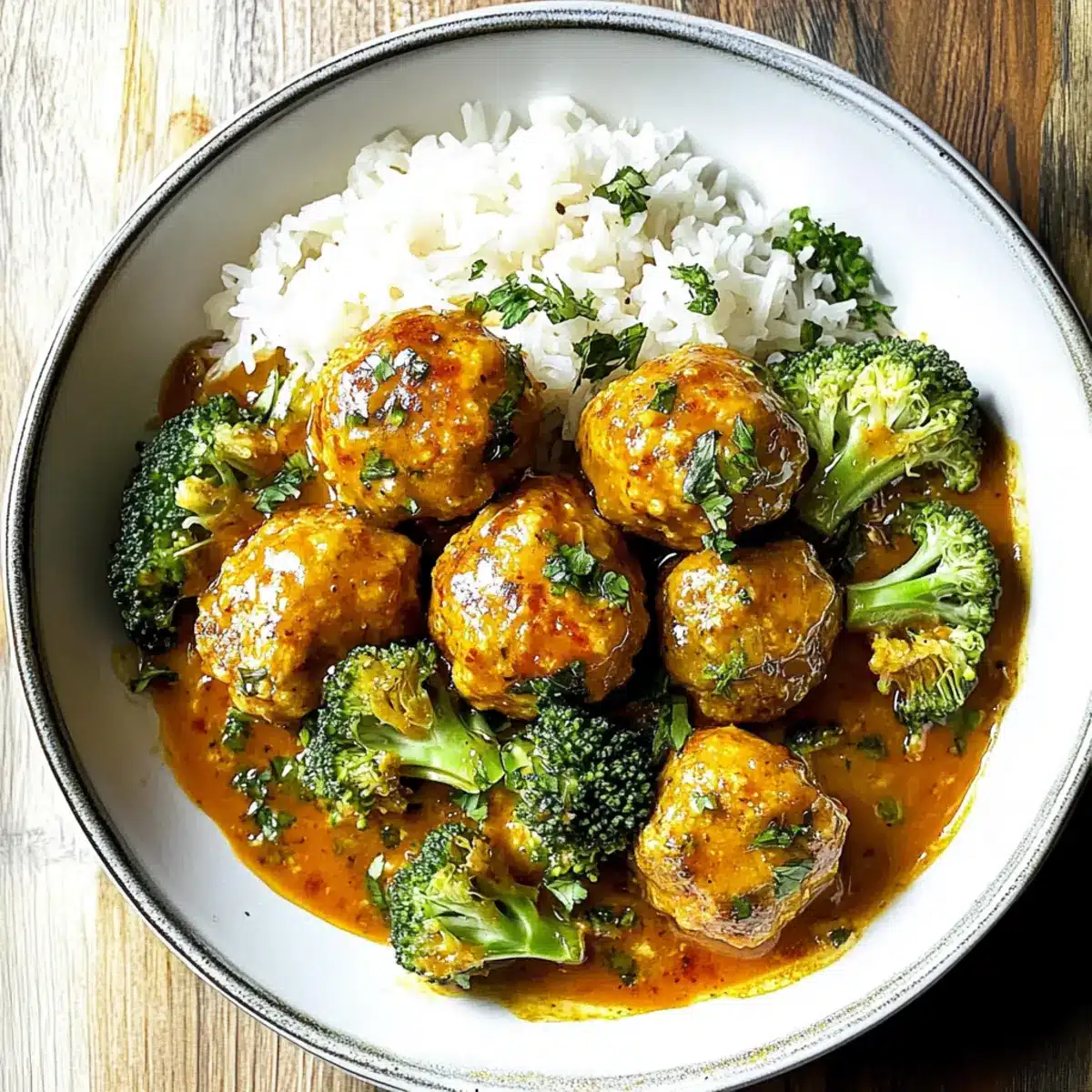
What to Serve with Coconut Gochujang Chicken Meatballs
A well-rounded meal elevates the experience of enjoying these scrumptious meatballs, creating a comforting dining moment.
-
Steamed Jasmine Rice: The fluffy, aromatic grains soak up the creamy sauce, providing a perfect canvas for every rich bite.
-
Garlicky Sautéed Spinach: This bright green side adds a pop of color and nutritious goodness while complementing the bold flavors of the meatballs.
-
Crisp Cucumber Salad: A refreshing contrast, this salad with a light dressing balances the spicy-sweet sauce beautifully, adding a crunch to each forkful.
-
Savory Quinoa: Nutty quinoa reinforces the protein power of the meal, while its slight earthy notes blend seamlessly with the sauce.
-
Chilled White Wine: A chilled, fruity white wine like Sauvignon Blanc enhances the meal, cutting through the richness of the coconut sauce for a delightful sip.
-
Coconut Sticky Rice: Elevate the menu by pairing with this sweet, creamy treat; the coconut notes harmonize with the meatballs, creating a cohesive culinary experience.
Each of these delightful pairings transforms your meal into a full sensory experience, inviting both warmth and excitement to your dining table.
Coconut Gochujang Chicken Meatballs Variations
Feel free to let your culinary creativity shine with these delightful twists and substitutions. Every bite can be a new adventure!
-
Turkey Option: Swap ground chicken for ground turkey for a leaner meatball variant without sacrificing flavor.
-
Vegan-Friendly: Use lentils or chickpeas mixed with breadcrumbs and spices to create a hearty vegetarian version of the meatballs.
-
Spice Lover: Increase the gochujang paste for a bolder heat experience or add a dash of sriracha for an extra kick.
-
Cut the Creaminess: Use coconut cream for an even richer sauce, perfect for those who adore luxurious textures.
-
Less Sodium: Choose low-sodium versions of soy sauce and fish sauce to keep the dish lighter while maintaining flavor.
-
Broccoli Replacement: Try swapping broccoli with fresh spinach or roasted bell peppers to introduce new colors and flavors.
-
Citrus Zing: A splash of orange juice can brighten the sauce and give your meatballs a lovely citrusy twist.
Elevate your Coconut Gochujang Chicken Meatballs adventure by pairing them with a refreshing cucumber salad for a perfect balance. Enjoy!
How to Store and Freeze Coconut Gochujang Chicken Meatballs
Fridge: Store leftovers in an airtight container for up to 3 days. For optimal texture, reheat gently on the stove or in the microwave until warmed through.
Freezer: Place cooled meatballs in a freezer-safe container, ensuring they are well spaced, for up to 3 months. Thaw overnight in the refrigerator before reheating for the best results.
Reheating: When ready to eat, reheat in a skillet over medium heat, adding a splash of chicken broth or water to maintain the sauce’s creaminess and prevent drying out.
Keep it Fresh: Enjoy your Coconut Gochujang Chicken Meatballs fresh for the best flavor, but rest assured that proper storage can keep these delightful bites on hand for busy weeknight dinners.
Make Ahead Options
These Coconut Gochujang Chicken Meatballs are perfect for meal prep enthusiasts! You can prepare the meatball mixture up to 24 hours in advance, allowing the flavors to meld together beautifully. Form the meatballs and store them in an airtight container in the refrigerator. Additionally, the creamy sauce can be made ahead and stored separately for up to 3 days. Just keep both components in the fridge until you’re ready to cook. When you’re ready to serve, simply cook the meatballs in a skillet, add the sauce, and let everything simmer together, ensuring each bite is just as delicious as when freshly made!
Expert Tips for Coconut Gochujang Chicken Meatballs
• Perfectly Browned Meatballs: Ensure meatballs are fully browned on all sides for enhanced flavor. A hot skillet is key to achieving a golden crust.
• Adjusting Spice Levels: Start with a small amount of gochujang and increase gradually to suit your taste. Remember, it’s easier to add heat than to tone it down!
• Fresh Ingredients Matter: Using fresh garlic and ginger elevates the dish significantly. If using ground ginger, be mindful of the quantity to avoid overpowering flavors.
• Storing Leftovers: Store leftovers in an airtight container in the fridge for up to 3 days. For longer storage, freeze in a container for up to 3 months, but consume for best flavor!
• Vegetable Variations: Feel free to swap out broccoli for zucchini or cauliflower for a different veggie twist while keeping the flavor of Coconut Gochujang Chicken Meatballs intact.
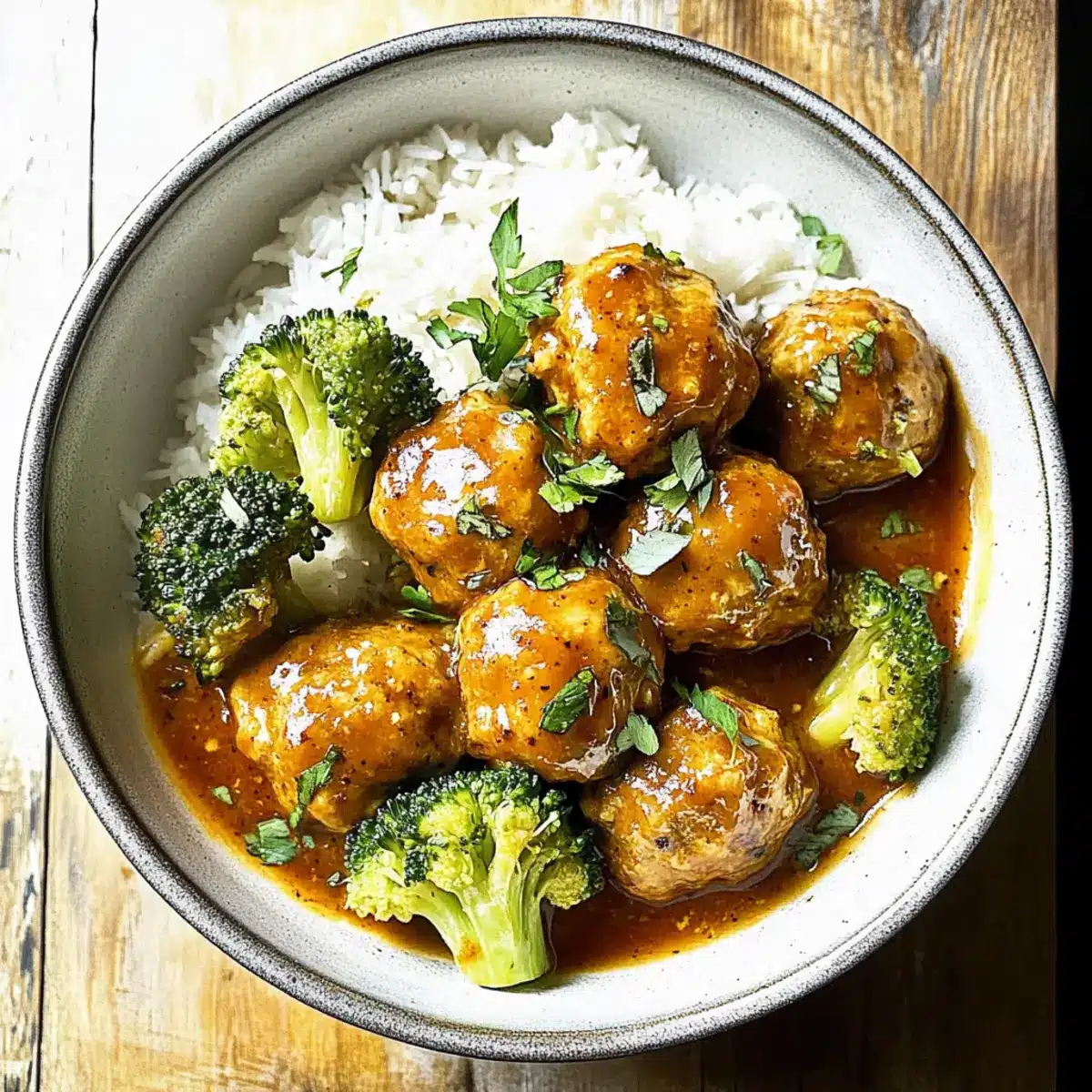
Coconut Gochujang Chicken Meatballs Recipe FAQs
What is the best way to choose ripe ingredients for this recipe?
Absolutely! For the broccoli, look for vibrant green florets without dark spots or wilting—these indicate freshness. For garlic and ginger, choose firm, dry bulbs and roots that aren’t soft or sprouting. Fresh ingredients elevate the flavors of your Coconut Gochujang Chicken Meatballs.
How should I store leftovers from the Coconut Gochujang Chicken Meatballs?
You can store leftovers in an airtight container in the refrigerator for up to 3 days. To maintain the best flavor and texture, I recommend reheating gently on the stove or in the microwave until heated through.
Can I freeze the Coconut Gochujang Chicken Meatballs?
Yes, you can! Allow the meatballs to cool completely, then transfer them to a freezer-safe container, making sure they are spaced out. They can be frozen for up to 3 months. To enjoy them later, thaw in the refrigerator overnight before reheating.
What should I do if the sauce is too thick or too thin?
If your sauce ends up too thick, add a splash of chicken broth or water while heating to loosen it up. Conversely, if it’s too thin, let it simmer for an additional few minutes to thicken up. Enjoy experimenting to achieve the perfect consistency that complements your Coconut Gochujang Chicken Meatballs!
Are there any dietary considerations for allergies related to this recipe?
Very! This recipe contains several common allergens, such as soy (from soy sauce) and fish (if using fish sauce). Make sure to choose tamari for a gluten-free option and omit fish sauce to accommodate dietary restrictions. For nut allergies, check that your coconut milk is nut-free; you can replace it with a nut-free dairy alternative if needed.
What can I use as substitutes for the main ingredients?
The beauty of this recipe is its versatility! You can swap ground chicken for turkey or pork; use gluten-free breadcrumbs or omit them entirely; and replace broccoli with vegetables like zucchini or cauliflower depending on your preference. Adjust the gochujang based on your desired spice level as well. Enjoy crafting your Coconut Gochujang Chicken Meatballs just the way you like!
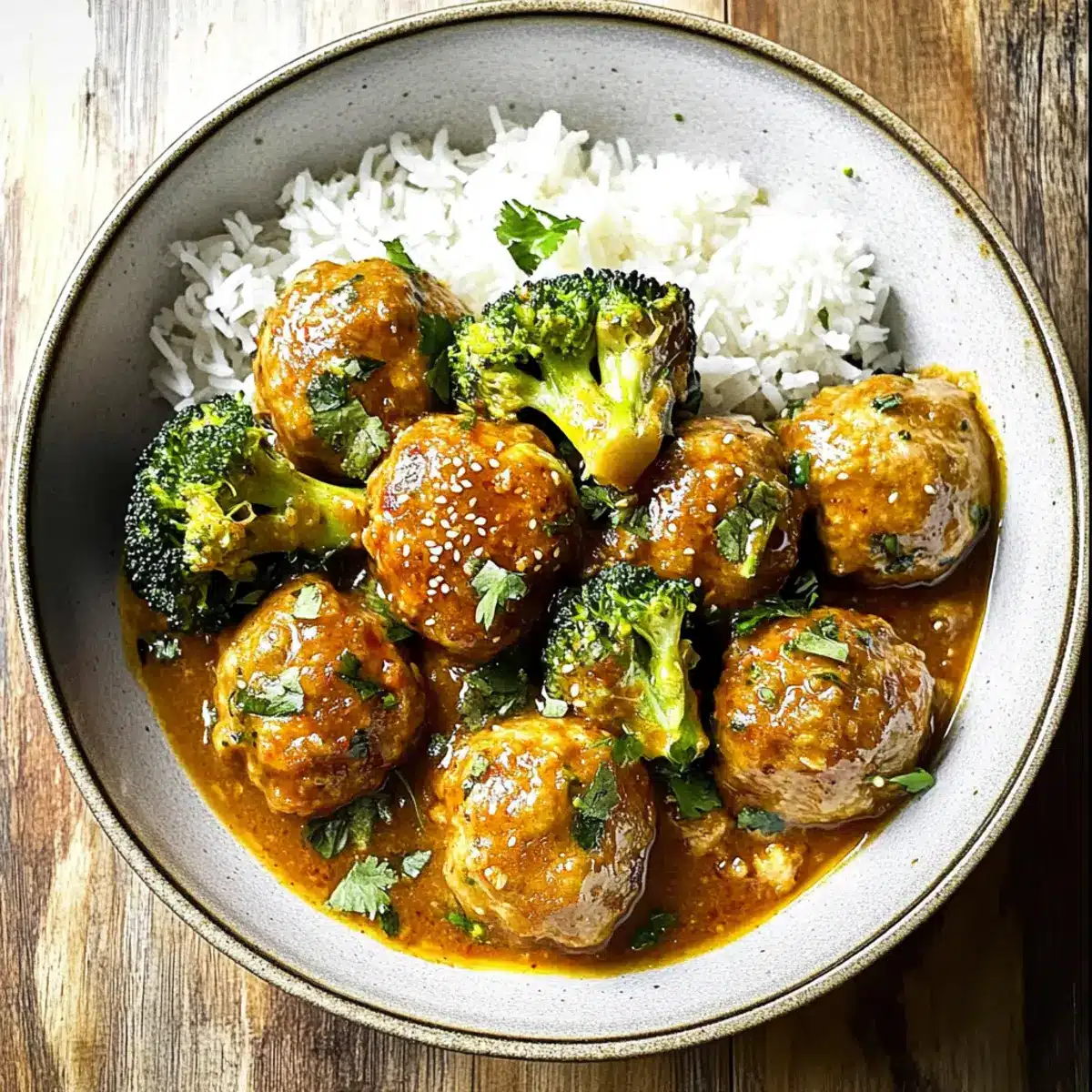
Irresistible Coconut Gochujang Chicken Meatballs in Creamy Sauce
Ingredients
Equipment
Method
- Begin by washing and cutting the broccoli into small florets, grating the ginger and mincing the garlic.
- In a large mixing bowl, combine the ground chicken, soy sauce, egg yolk, breadcrumbs, garlic powder, and black pepper. Mix until just blended and form into meatballs.
- Heat vegetable oil and unsalted butter in a skillet. Add meatballs and cook until golden brown on all sides, about 8 minutes.
- In the same skillet, lower heat and add minced garlic and grated ginger, cooking for 1 minute. Add salt, black pepper, cumin, and turmeric.
- Pour in chicken broth and scrape the bottom for flavor, bring to a simmer for 2 minutes.
- Stir in soy sauce, fish sauce, honey, and gochujang paste until smooth. Then add coconut milk and lime juice.
- Return meatballs and broccoli to skillet, cover, and simmer for 10 minutes until meatballs are cooked and broccoli is tender.
- Serve hot over rice or noodles, garnished with cilantro.
Leave a Reply