
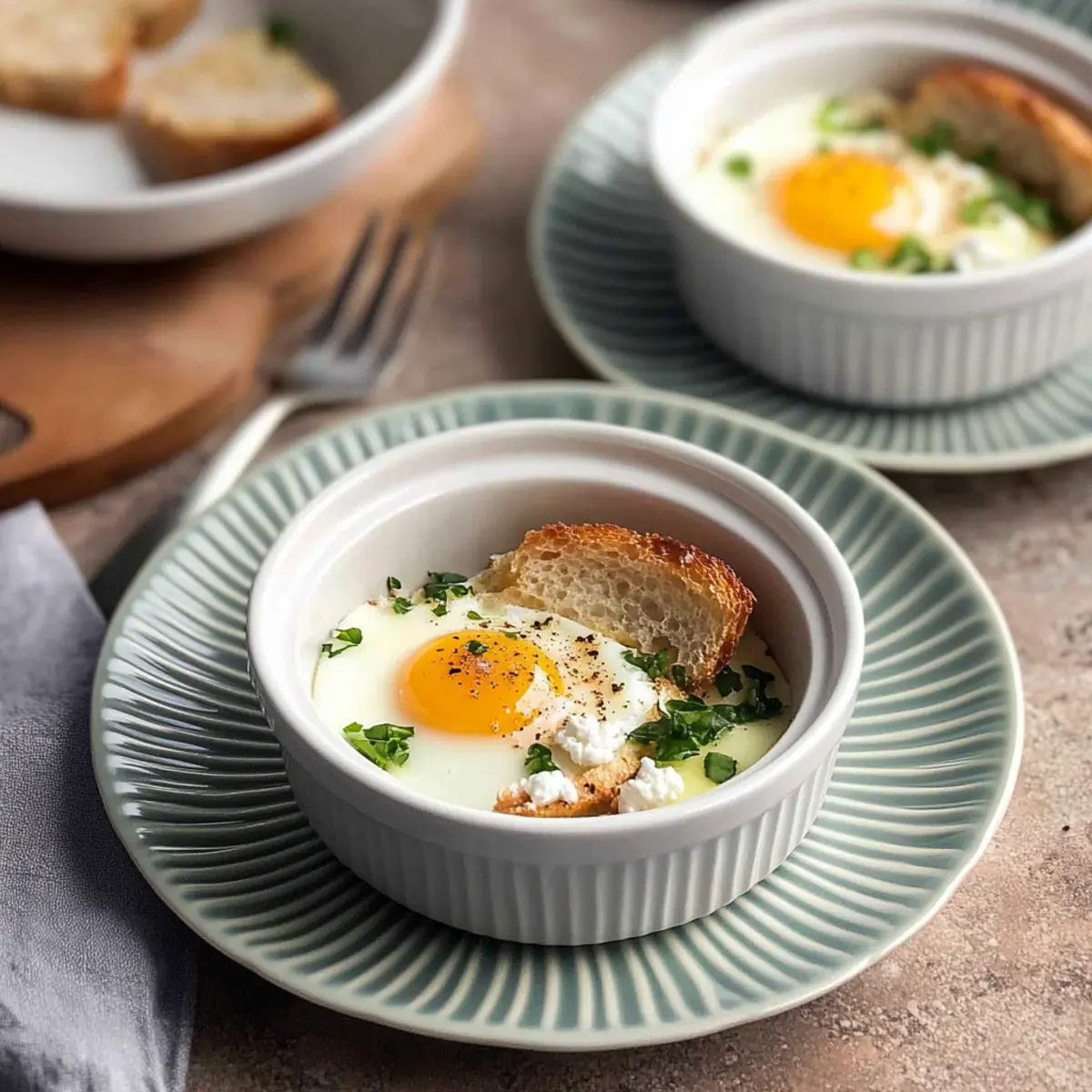
As I stood in my kitchen, the rich aroma of baked eggs wafted through the air, transporting me straight to a charming Parisian café. French Baked Eggs, or oeufs cocotte, are not just a dish; they are a luxurious experience that transforms any meal into a special occasion. Their creamy texture, complemented by crumbled cheese and fragrant herbs, makes these eggs suitable for breakfast, brunch, or even a cozy dinner. The beauty of this recipe lies in its quick prep and customizable nature, allowing you to easily adapt it with your favorite toppings or ingredients. Plus, it’s gluten-free and vegetarian, ticking all the right boxes for health-conscious cooks. Are you ready to elevate your everyday meals with this elegant dish?
Why are French Baked Eggs Irresistible?
Creamy Delight: These French Baked Eggs are a warm embrace on your plate, featuring a rich, buttery base and soft, runny yolks that create a delightful contrast in every bite. Customizable Options: Ditch the ordinary! Whether you’re adding sautéed veggies or experimenting with different cheeses, this recipe allows you to get creative. Quick and Simple: Perfect for busy mornings, the straightforward method makes these baked eggs a breeze to whip up. Crowd-Pleasing Charm: Serve them at brunch or dinner, and watch your guests swoon over this elegant dish. For more delicious options, check out my Baked Pumpkin Donuts that also add a cozy touch to any meal!
French Baked Eggs Ingredients
For the Base
• Butter – Adds richness and prevents sticking; substitute with oil for a dairy-free option.
• Crème Fraîche/Heavy Cream/Yogurt – Provides creaminess at the base of each ramekin; you can use sour cream or any creamy dairy product in place.
For the Eggs
• Large Eggs – The main component, creating the dish’s protein base; ensure they are fresh for the best taste.
For the Topping
• Fresh Goat Cheese – Crumbled on top for a tangy flavor; feta or any soft cheese works as a great substitution.
• Chives & Parsley – Fresh herbs for flavor and color; switch it up with dill or thyme for different taste profiles.
• Fine Sea Salt & Black Pepper – Essential seasonings to enhance the overall flavor of these French Baked Eggs.
Optional Add-Ins
• Sautéed Vegetables – Spinach, mushrooms, or asparagus can elevate the dish; feel free to mix and match!
• Different Cheese Varieties – Brie, cheddar, or any cheese you love will add unique flavors; don’t hesitate to experiment!
• Variety of Herbs – Seasonal herbs can change the flavor profile; let your adventurous spirit guide your choices!
Step‑by‑Step Instructions for French Baked Eggs
Step 1: Preheat and Prepare
Begin by preheating your oven to 350°F (175°C) to ensure a steady cooking temperature for your French Baked Eggs. While the oven warms, boil a kettle of water for the water bath—this will help maintain moisture and prevent the eggs from becoming rubbery throughout the baking process.
Step 2: Butter the Ramekins
Take four 4-5 ounce ramekins and generously butter the insides with about one tablespoon of butter. This step not only imparts a rich flavor but also prevents the creamy base from sticking. Set the buttered ramekins aside, ready to be filled with your delicious ingredients.
Step 3: Add the Creamy Base
Spoon two tablespoons of crème fraîche, heavy cream, or yogurt evenly into the bottom of each buttered ramekin. This creamy layer acts as a luscious base for your French Baked Eggs, enhancing the texture and flavor of each bite. Make sure it looks inviting and smooth, contributing to the overall presentation.
Step 4: Crack the Eggs
Carefully crack one large egg into each ramekin, ensuring that the yolk remains intact as you do so. The egg’s vibrant yellow will create a beautiful contrast against the creamy base. Take your time here; it’s all about maintaining the visual appeal for your elegant dish.
Step 5: Season and Top
Sprinkle crumbled fresh goat cheese over the eggs, along with chopped chives and parsley for a burst of fresh flavor. Add a pinch of fine sea salt and a dash of black pepper to enhance the taste further. These toppings will help elevate your French Baked Eggs, blending beautifully with the richness of the dish.
Step 6: Set Up the Water Bath
Place the filled ramekins in a large baking dish. Pour the boiling water into the baking dish until it reaches halfway up the sides of the ramekins. This water bath (bain marie) will ensure even cooking, keeping the eggs tender and preventing drying out while they bake in the oven.
Step 7: Bake to Perfection
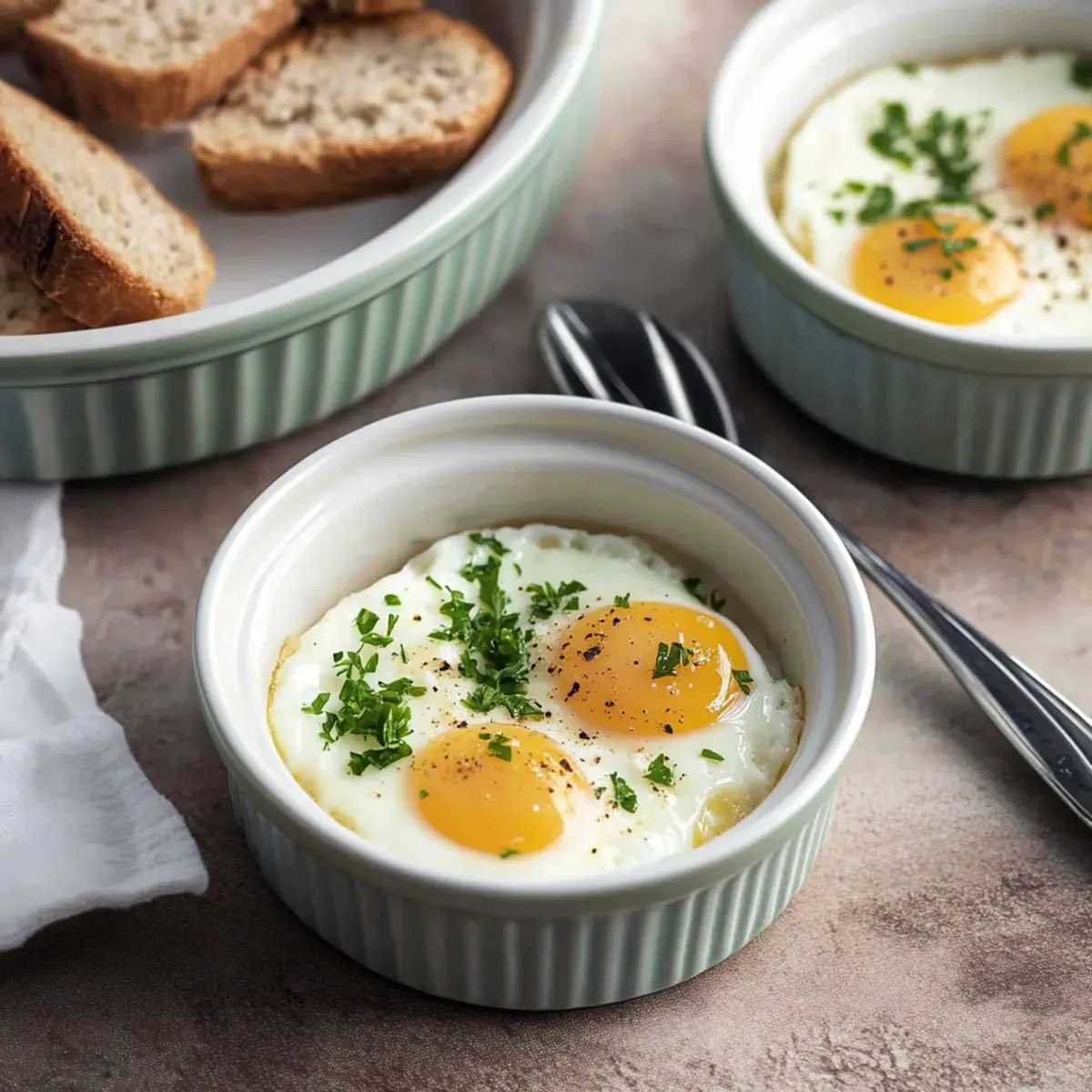
Slide the baking dish into your preheated oven and bake for 14-16 minutes for deliciously runny yolks. If you prefer a jammy yolk, extend the baking time to about 18 minutes. Keep an eye on the ramekins, and gently shake them to check that the egg whites are set while the yolks remain soft.
Step 8: Serve with Love
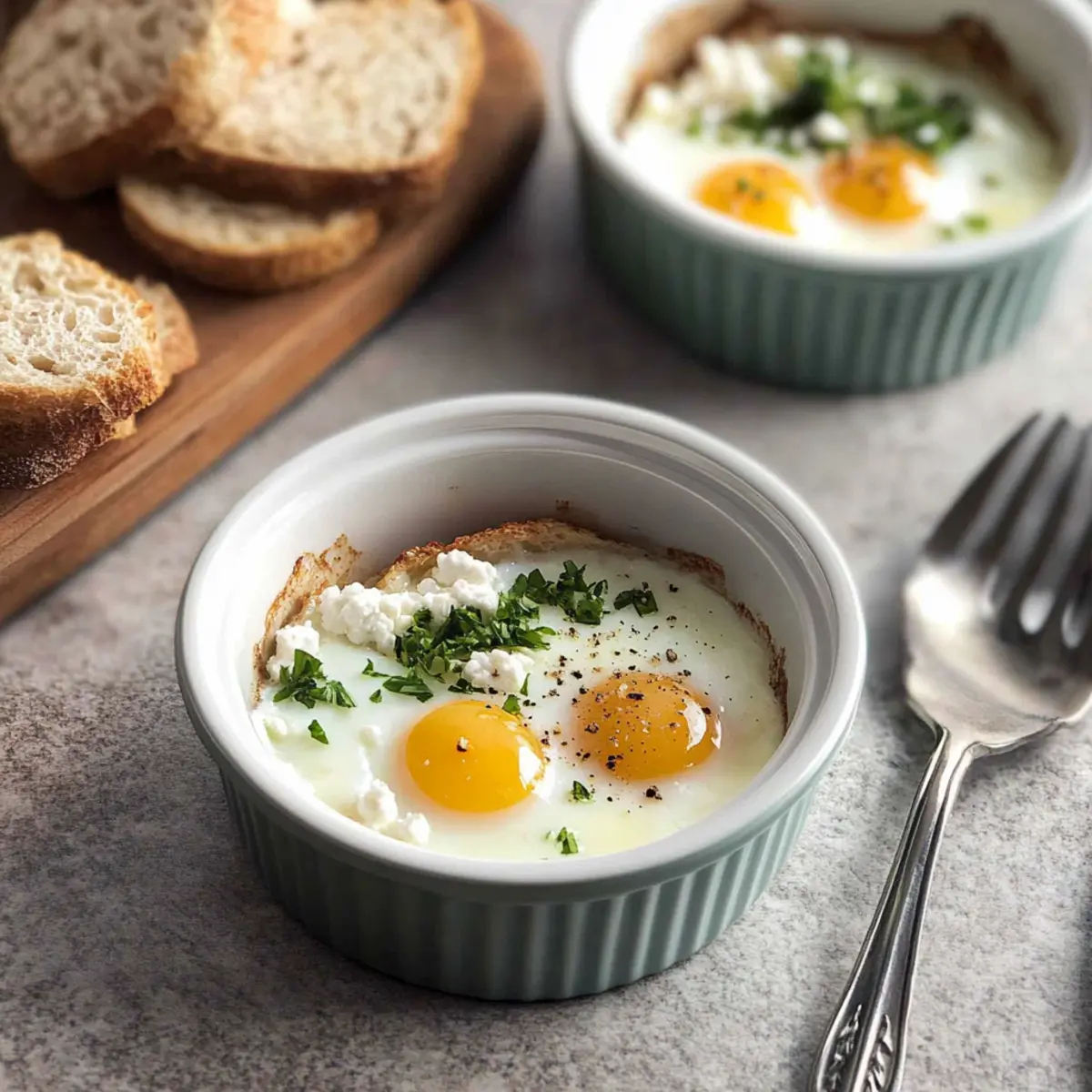
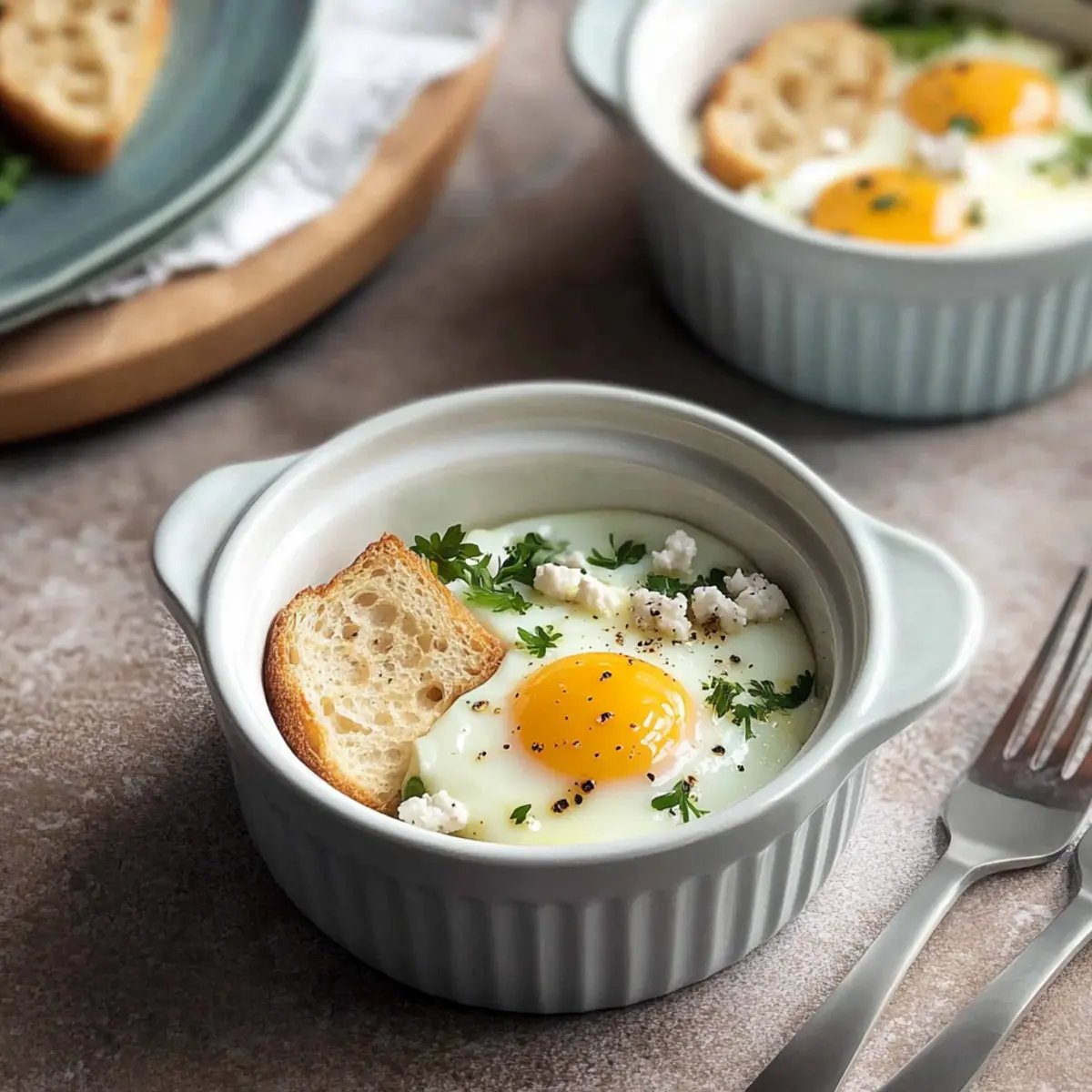
Once baked to your desired doneness, carefully remove the ramekins from the water bath and let them cool slightly. Serve the French Baked Eggs immediately while they’re warm, alongside toasted gluten-free bread for a delightful brunch experience.
Make Ahead Options
Preparing French Baked Eggs in advance is a fantastic time-saver for busy weeks! You can assemble the ramekins with the creamy base and eggs up to 24 hours ahead of time. Simply spoon the crème fraîche and crack the eggs into the buttered ramekins, then cover with plastic wrap and refrigerate. To maintain quality, avoid adding the toppings until just before baking, as this will keep them fresh and vibrant. When you’re ready to enjoy, sprinkle the goat cheese, herbs, salt, and pepper on top and bake as directed, adjusting the baking time if they are cold from the fridge. You’ll savor those elegant flavors with minimal effort!
What to Serve with French Baked Eggs?
Indulge in a delightful dining experience that transforms each bite into a moment of joy.
- Toasted Gluten-Free Bread: Perfect for dipping, this warm and crusty bread complements the creamy richness of the baked eggs beautifully.
- Arugula Salad: A fresh, peppery salad adds brightness and a crisp contrast to the dish’s velvety texture. Toss with a light vinaigrette for extra zing.
- Sautéed Spinach: Rich in flavor, wilted spinach infused with garlic offers a nutritious side that pairs wonderfully with the eggs’ creaminess. Don’t forget to season well!
- Roasted Cherry Tomatoes: Their natural sweetness and slight acidity balance out the richness of the eggs, creating a harmonious blend of flavors on your plate.
- Herbed Potatoes: Crispy roasted or sautéed potatoes seasoned with fresh herbs provide a hearty element that feels comforting alongside the elegant dish. Enjoy them with a sprinkle of sea salt.
- Chilled White Wine: For a refreshing pairing, a crisp Sauvignon Blanc or a light Pinot Grigio complements the dish, enhancing the flavors without overpowering them.
- Fruit Compote: A subtly sweet fruit compote, such as fig or berry, adds a delightful contrast on the side, enriching your meal’s overall experience.
- Homemade Jam: Serve with a dollop of your favorite jam on the side for a touch of sweetness that beautifully pairs with the savory eggs.
- Buttery Croissants: Flaky and decadent, these classic French pastries elevate the meal into a truly luxurious experience, perfect for brunch or a special occasion.
French Baked Eggs Variations & Substitutions
Feel free to experiment and make this delightful recipe your own, adding exciting flavors and textures that will tease your taste buds!
-
Vegetarian Boost: Add sautéed spinach, mushrooms, or asparagus beneath the eggs for an extra layer of goodness. This not only adds flavor but also enhances the visual appeal of your dish.
-
Cheese Twist: Swap out fresh goat cheese for creamy brie or sharp cheddar, giving your baked eggs a unique identity. The melting cheese will create layers of delightful richness, making each bite irresistible.
-
Herb Medley: Instead of chives and parsley, try fresh dill or thyme. These herbs will bring a lovely aromatic twist that elevates the dish from simple to sophisticated.
-
Spicy Kick: Add a pinch of red pepper flakes or diced jalapeños to the egg mixture before baking for a delightful heat that contrasts beautifully with the creamy layer. It’s a fun way to spice up your brunch!
-
Dairy-Free Delight: Use coconut cream or a dairy-free yogurt in place of crème fraîche for a vegan-friendly version. The coconut adds a subtle sweetness that pairs beautifully with the eggs.
-
Savory Toppings: Top with crispy bacon bits or ham for a savory crunch that complements the soft texture of the baked eggs. Each bite will burst with a delightful combination of flavors.
-
Seasonal Veggie: Incorporate seasonal vegetables such as roasted bell peppers or zucchini, adding not only taste but also vibrant colors to your dish. A balance of flavors and a feast for the eyes!
-
Bread Crumbs Topping: For an extra crunch, sprinkle panko bread crumbs mixed with herbs on top before baking. This crispy finish adds texture and excitement to each spoonful!
For more delicious ideas and recipes, check out my Baked Pumpkin Donuts and enjoy a cozy dessert that complements your elegant French Baked Eggs!
How to Store and Freeze French Baked Eggs
- Fridge: Keep any leftover French Baked Eggs tightly covered in the refrigerator for up to 3 days. Reheat gently in the oven or microwave until warmed through.
- Freezer: While it’s best to enjoy these baked eggs fresh, you can freeze the uncooked assembled ramekins. Cover them tightly and store for up to 2 months. Thaw in the fridge overnight before baking.
- Reheating: When reheating, ensure they are warmed all the way through. If baked and refrigerated, enjoy them within 2 days for the best flavor and texture.
- Make-Ahead Tip: Assemble the French Baked Eggs in advance and store them in the fridge without baking. When ready to enjoy, just pop them in the oven straight from the fridge—it’s that easy!
Expert Tips for French Baked Eggs
-
Use Fresh Eggs: Fresh eggs are a must for the best flavor and texture in your French Baked Eggs. Test for freshness by submerging in water; fresh eggs sink.
-
Mind the Water Bath: Always use a hot water bath (bain marie) to ensure gentle cooking and prevent the eggs from becoming rubbery. Ensure that the water level reaches halfway up the ramekins.
-
Watch the Baking Time: Avoid overbaking your French Baked Eggs. Keep an eye on them and shake gently; the whites should be set while the yolks remain soft.
-
Evenly Sized Ramekins: For consistent cooking, use ramekins of the same size. This helps ensure that all eggs bake evenly.
-
Customize Wisely: Feel free to experiment with your choice of herbs and cheeses, but add any extra toppings before baking to avoid uneven cooking or moisture.
-
Serve Immediately: French Baked Eggs are best enjoyed right out of the oven while warm and creamy, so prepare to serve them right away!
French Baked Eggs Recipe FAQs
How do I select fresh eggs for my French Baked Eggs?
Absolutely! To ensure you have the best flavor and texture in your French Baked Eggs, always select fresh eggs. You can test for freshness by placing the egg in a bowl of water; fresh eggs will sink, while older eggs will float.
What is the best way to store leftover French Baked Eggs?
Very! If you have any leftovers, keep them in an airtight container in the refrigerator. They’re best consumed within 3 days. To reheat, gently warm them in a 350°F (175°C) oven until heated through, ensuring you don’t dry them out.
Can I freeze French Baked Eggs?
Definitely! Freezing is a great option if you want to prepare ahead. Simply cover the assembled but uncooked ramekins tightly with foil or plastic wrap, and store them in the freezer for up to 2 months. When you’re ready to enjoy them, thaw overnight in the fridge, and then bake as directed.
What if my egg whites turn rubbery while baking?
No worries! This can happen if the eggs are overcooked. To avoid rubbery whites, closely monitor the baking time. The whites should be just set, and shaking the ramekins gently will help you test for doneness. If you’ve used a water bath, it should help maintain that perfect creamy texture.
Can I adapt this recipe for dietary restrictions, like gluten or dairy?
Absolutely! This French Baked Eggs recipe is naturally gluten-free, and you can easily substitute the butter with olive oil for a dairy-free option. You can also opt for lactose-free cream or non-dairy yogurts to accommodate your needs while still enjoying this delightful dish!
Deliciously Creamy French Baked Eggs for a Cozy Brunch
Ingredients
Equipment
Method
- Preheat your oven to 350°F (175°C) and boil a kettle of water for the water bath.
- Generously butter the insides of four 4-5 ounce ramekins with about one tablespoon of butter.
- Spoon two tablespoons of crème fraîche, heavy cream, or yogurt into each buttered ramekin.
- Carefully crack one large egg into each ramekin.
- Sprinkle crumbled fresh goat cheese, chopped chives, and parsley over the eggs, adding salt and pepper to taste.
- Place the filled ramekins in a baking dish and pour boiling water into the dish until it reaches halfway up the sides of the ramekins.
- Bake for 14-16 minutes for runny yolks, checking for doneness.
- Carefully remove the ramekins from the water bath and let them cool slightly before serving warm.
Leave a Reply