
Just imagine the aroma wafting through your kitchen as you prepare a rich, spicy Gochujang Bolognese—an adventurous twist that brings Italian comfort and Korean flair together in perfect harmony. This hearty dish is not just about savoring delicious flavors; it’s also an easy meal that can transform an ordinary weeknight into something extraordinary. With ground beef and pork simmered in a creamy, tomato-based sauce, it’s a true crowd-pleaser, providing warmth and satisfaction with every bite. Plus, you’ll have flexibility with ingredients, making it a perfect recipe for those seeking gluten-free options or a plant-based twist. Are you ready to elevate your pasta game? Let’s dive into this culinary adventure!
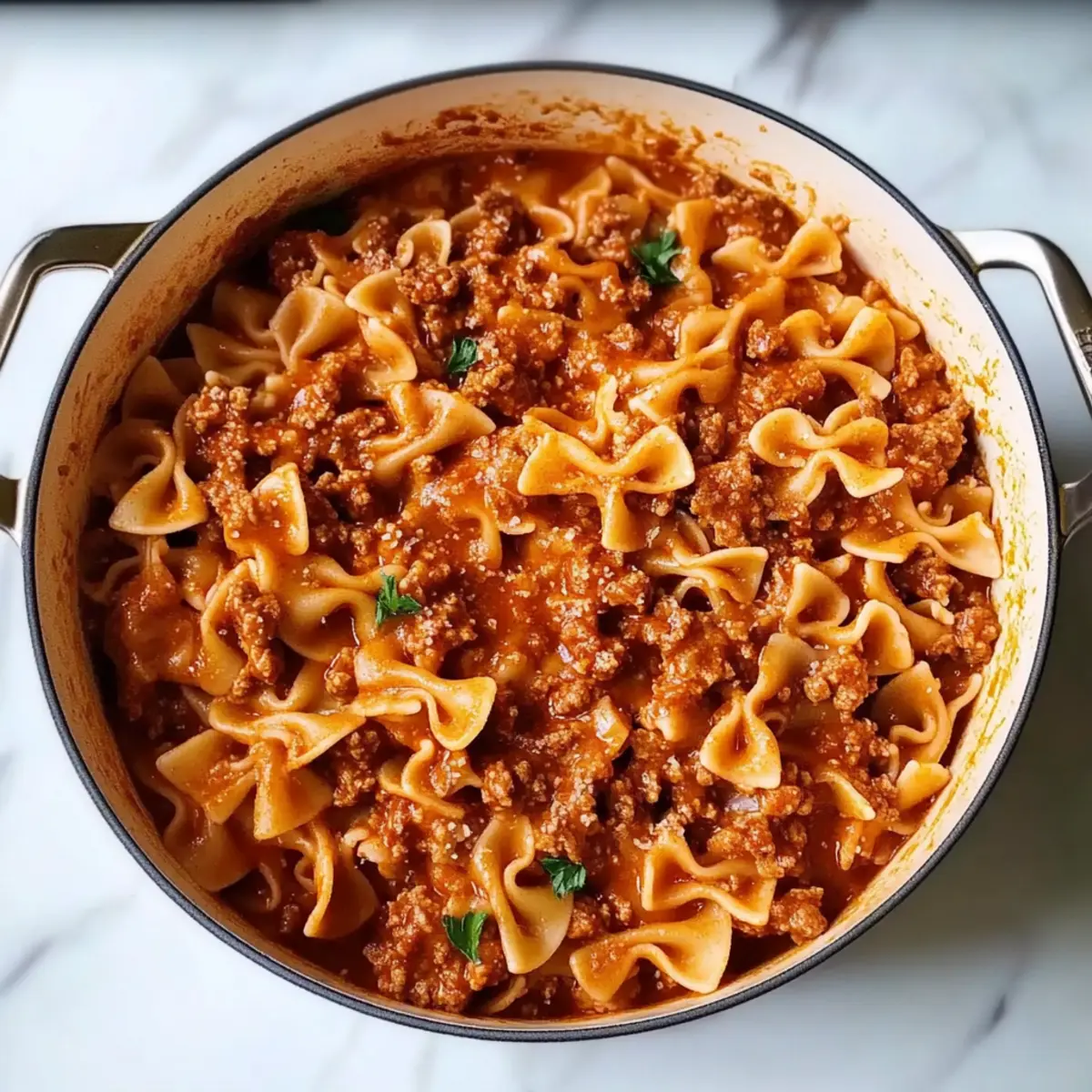
Why is Gochujang Bolognese a must-try?
Bold fusion of flavors: This dish combines the comfort of traditional Italian Bolognese with the vibrant heat of Korean gochujang, creating a deliciously unique flavor profile.
Simple yet impressive: With straightforward steps, you can whip up a stunning meal guaranteed to impress family and friends.
Versatile ingredient swaps: Modify the recipe to fit your dietary needs, whether opting for ground turkey, plant-based alternatives, or even gluten-free pasta.
Hearty satisfaction: The rich, creamy sauce and tender meat create a filling and gratifying experience that’s sure to leave everyone coming back for seconds!
Perfect for gatherings: Whether it’s a weeknight dinner or a special occasion, Gochujang Bolognese delivers warmth and comfort, making it an ideal dish for sharing with loved ones.
Gochujang Bolognese Ingredients
• Get ready to spice up your cooking with these delightful ingredients!
For the Meat Sauce
- Ground Beef – The primary protein for richness; swap with ground turkey for a leaner dish.
- Ground Pork – Adds depth and flavor; consider plant-based meat alternatives for a vegetarian twist.
For the Base
- Olive Oil – A must for sautéing; vegetable oil can substitute without compromising taste.
- Butter – Infuses creaminess; use vegan butter for a dairy-free option.
- Carrot – Sweetens and brightens the dish; sweet bell peppers make a tasty alternative.
- Onion – The aromatic foundation that enhances flavor; red onion adds a pop of color.
- Celery – Offers crunch and flavor depth; feel free to omit if you prefer.
- Garlic – A flavor powerhouse; fresh garlic is best, but garlic powder works in a pinch.
For the Sauce
- Gochujang – Adds spice and umami; reduce for a milder sauce or substitute with another chili paste for variety.
- Tomato Paste – Concentrates tomato flavor and helps thicken; passata can provide a fresher taste.
- Beef Broth – Adds moisture; switch to vegetable broth for a lighter sauce.
- Crushed Tomatoes – The base of your sauce; diced tomatoes give a chunkier texture if preferred.
- Half-and-Half – Brings creaminess; coconut milk offers a non-dairy substitute.
Finishing Touches
- Parmesan Rind – Deepens the flavor as it simmers; optional but enhances the dish.
- Bay Leaves – Infuse aromatic notes; remember to remove before serving.
- Fresh Parsley/Basil – Add a burst of freshness for garnish.
Let’s get cooking and bring this spicy Gochujang Bolognese to life!
Step‑by‑Step Instructions for Gochujang Bolognese
Step 1: Prepare the Aromatics
Begin by peeling and dicing one carrot, mincing three cloves of garlic, dicing one onion, and chopping two stalks of celery. This mixture forms the foundation of your Gochujang Bolognese, so take a moment to ensure everything is evenly chopped. Set the prepared vegetables aside as you move to the next step.
Step 2: Sauté the Vegetables
In a heavy pot, heat 2 tablespoons of olive oil and 2 tablespoons of butter over medium heat. Add the diced onion, garlic, carrot, and celery to the pot. Sauté the mixture for about 5 minutes, stirring occasionally, until the vegetables are softened and fragrant, and the onions become translucent.
Step 3: Cook the Meat
Add 8 ounces of ground beef and 8 ounces of ground pork to the sautéed vegetables. Use a wooden spoon to break the meat apart as it cooks, ensuring it browns evenly. Stir in 1 teaspoon of dried thyme, 2 tablespoons of gochujang, and 2 tablespoons of tomato paste, mixing well to combine and cook for about 5 minutes until the meat is no longer pink.
Step 4: Deglaze the Pot
Pour in 1 cup of beef broth, using a spatula to scrape up any browned bits from the bottom of the pot. These bits add rich flavor to your Gochujang Bolognese! Allow the mixture to come to a gentle simmer for about 1 minute, infusing the broth with the savory flavors from the pot.
Step 5: Simmer the Sauce
Stir in a 28-ounce can of crushed tomatoes, 1 cup of half-and-half, a Parmesan rind, and 2 bay leaves. Reduce the heat to low and let the sauce simmer uncovered for at least 20 minutes. Keep an eye on it as it thickens, stirring occasionally to prevent sticking, and enjoy the wonderful aroma filling your kitchen.
Step 6: Cook the Pasta
While the sauce simmers, bring a large pot of salted water to a boil. Add your choice of pasta, cooking it until just under al dente according to package instructions, typically around 8-10 minutes. Before draining, reserve ½ cup of the pasta water to use in the sauce for added creaminess and flavor.
Step 7: Combine Pasta and Sauce
Once the pasta is cooked, drain it and immediately add it to the simmering Gochujang Bolognese sauce. Stir in ½ cup of grated Parmesan cheese, allowing it to melt and enrich the sauce. If the sauce seems too thick, gradually add some reserved pasta water until you achieve your desired consistency.
Step 8: Serve and Garnish
Plate your delicious Gochujang Bolognese, garnishing it with fresh parsley or basil, and sprinkle extra Parmesan cheese on top for a finishing touch. Each bite should echo that delightful fusion of Italian and Korean flavors, making this dish a memorable addition to your meal repertoire.
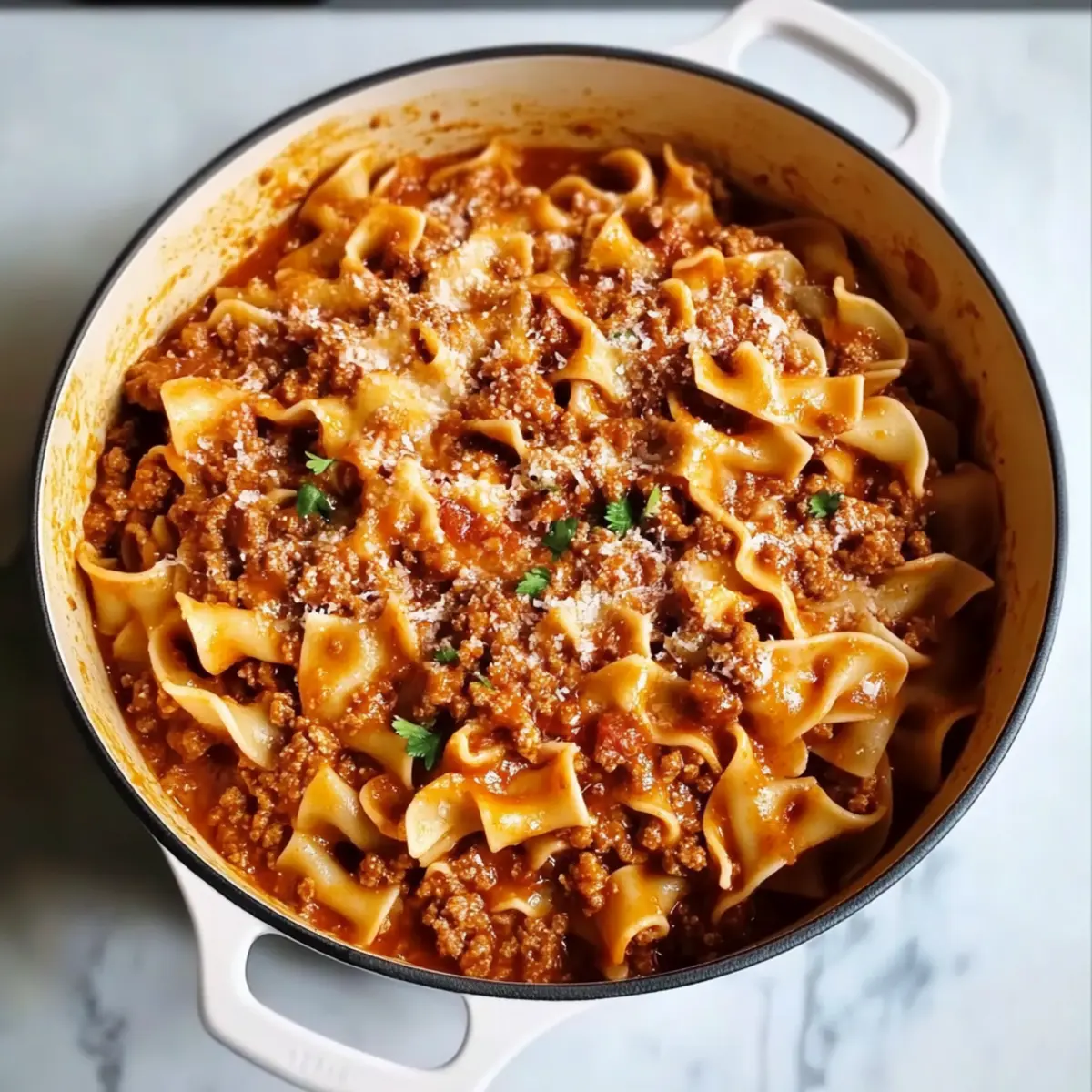
Gochujang Bolognese Variations & Substitutions
Feel free to unleash your creativity and make this Gochujang Bolognese truly your own with these fun variations!
-
Dairy-Free: Use coconut milk instead of half-and-half for a rich, creamy flavor without the dairy.
-
Spicier Kick: Add sliced fresh chilis or a dash of red pepper flakes if you crave even more heat in your sauce.
-
Vegetarian Delight: Substitute the meat with lentils or mushrooms for a hearty, plant-based version that’s still satisfying.
-
Gluten-Free: Opt for gluten-free pasta or spiralized vegetables like zucchini for a wholesome, gluten-free twist.
-
Herb Infusion: Mix in a handful of fresh basil or cilantro just before serving for an aromatic lift.
-
Umami Boost: Toss in a few teaspoons of soy sauce or tamari to enhance the savory depth of the sauce.
-
Chunky Texture: Use diced tomatoes instead of crushed for a more rustic, chunky sauce that adds additional texture to your dish.
-
Flavorful Variation: Try swapping out the gochujang for sriracha or harissa if you want to experiment with different spice profiles!
With these suggestions, you’ll keep your Gochujang Bolognese exciting and cater to every taste preference, making it a beloved go-to meal for years to come! As you explore these variations, consider pairing your dish with a refreshing garlic bread or a vibrant green salad to round out a delightful meal.
How to Store and Freeze Gochujang Bolognese
Fridge: Store any leftover Gochujang Bolognese in an airtight container for up to 4 days. The flavors actually deepen after a day, so don’t be surprised if it tastes even better!
Freezer: The sauce can be frozen for up to 3 months. Just make sure to transfer it to a freezer-safe container, leaving some space for expansion. Thaw overnight in the fridge before reheating.
Reheating: When ready to eat, gently reheat the Gochujang Bolognese in a pot over medium-low heat. Add a splash of water or reserved pasta cooking water if it seems too thick.
Meal Prep Tip: If you plan on making this as a meal prep option, cook a batch ahead of time and freeze portions for quick, easy meals throughout the week!
What to Serve with Gochujang Bolognese
Create a delightful dining experience with delicious accompaniments that enhance this spicy dish!
-
Garlic Bread: Perfectly buttery and crispy, garlic bread pairs beautifully, providing a crunchy contrast to the creamy sauce.
-
Crisp Green Salad: A light salad with mixed greens balances the richness, adding freshness and texture to your meal.
-
Roasted Vegetables: Seasoned roasted vegetables provide warmth and sweetness, rounding out the hearty flavors of the Gochujang Bolognese.
-
Creamy Polenta: The smooth and creamy polenta acts as a wonderful base, soaking up the flavorful sauce for a comforting twist.
-
Chili Oil: Drizzling a bit of chili oil can elevate the heat levels for those who enjoy an extra kick, enhancing the dish’s bold flavors.
-
Red Wine: A glass of robust red wine complements the dish’s rich profile, elevating your dining experience with every sip.
Imagine serving these alongside your Gochujang Bolognese, transforming dinner into a memorable culinary adventure!
Make Ahead Options
These Gochujang Bolognese preparations are perfect for busy weeknights! You can chop the aromatics—carrot, garlic, onion, and celery—up to 24 hours in advance and store them in airtight containers, which saves precious time when you’re ready to cook. Additionally, the meat sauce itself can be made ahead and refrigerated for up to 3 days; just reheat it gently on the stovetop before serving. To maintain the richness of the sauce, be sure to add a splash of beef broth while reheating. When it’s time to serve, simply cook the pasta, combine it with the sauce, and garnish as desired for a seamless meal that tastes just as delicious as when freshly made!
Expert Tips for Gochujang Bolognese
• Sauté Aromatics Well: Ensure you sauté the onion, carrot, and celery until softened, allowing their natural sweetness to enhance the overall flavor of your Gochujang Bolognese.
• Adjust Heat Level: Tailor the amount of gochujang based on your heat preference. Start with less, adding more until you reach your desired spice.
• Reserve Pasta Water: Always save some pasta cooking water; this helps create a silky sauce that clings beautifully to the noodles, elevating your dish.
• Don’t Skimp on Simmering: Allow the sauce to simmer for at least 20 minutes—this deepens the flavor and creates a harmonious blend of all the ingredients.
• Remove Bay Leaves: Be sure to take out the bay leaves before serving; they add flavor during cooking but can be a surprise when eaten!
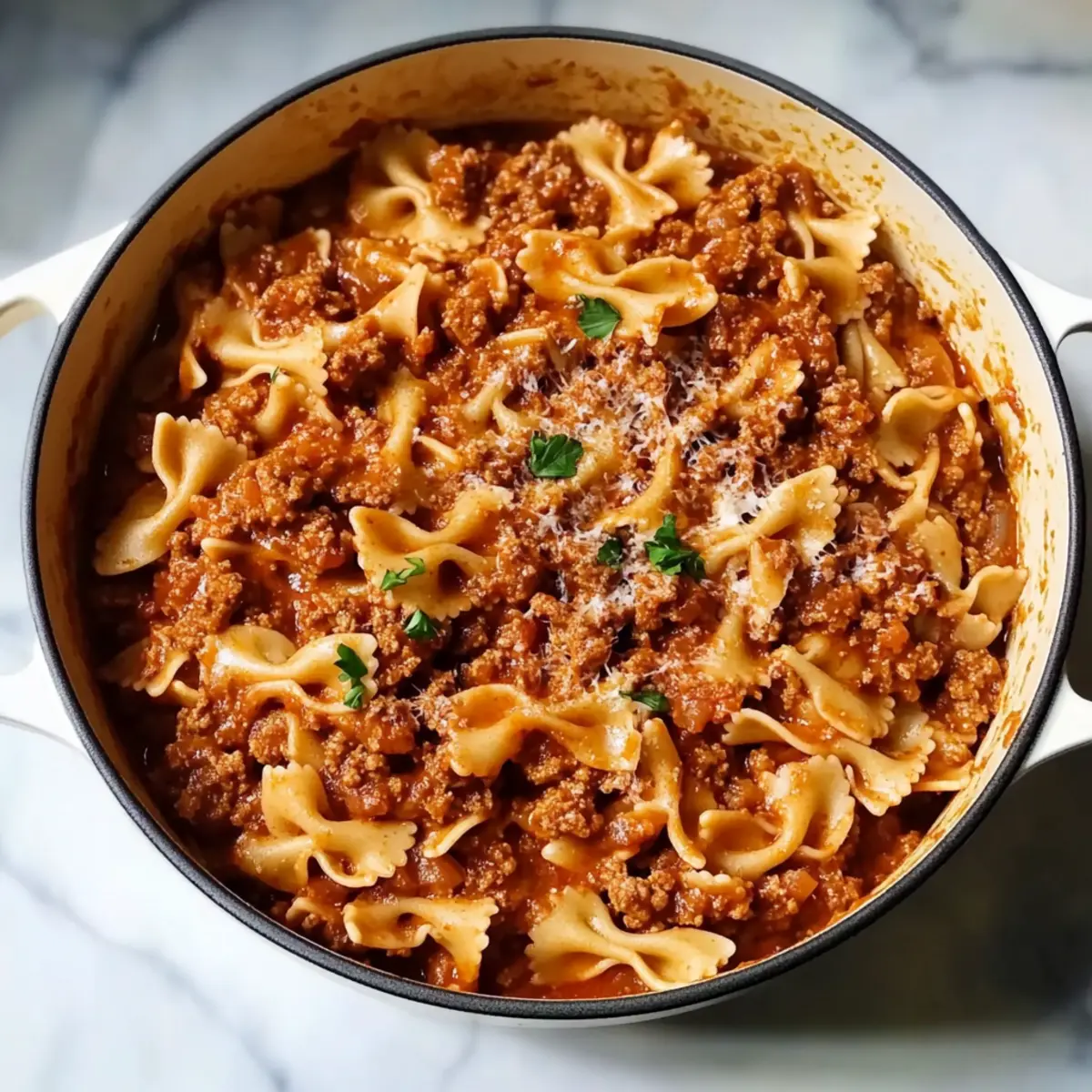
Gochujang Bolognese Recipe FAQs
How do I choose the right level of ripeness for my ingredients?
Absolutely! When selecting ingredients like carrots or onions, look for firm, unblemished skins. For tomatoes, choose those that are slightly soft to the touch but not overly squishy, as this indicates ripeness and sweetness. Fresh garlic should feel firm with no green shoots. This way, you’ll enhance the flavor of your Gochujang Bolognese!
What is the best way to store Gochujang Bolognese?
After you’ve had your fill, store leftover Gochujang Bolognese in an airtight container in the refrigerator for up to 4 days. The flavors actually deepen after a day, making it even more delicious when you reheat it! Remember to cool it down before storing to maintain its freshness.
Can I freeze Gochujang Bolognese?
Absolutely! You can freeze Gochujang Bolognese for up to 3 months. Just make sure to use a freezer-safe container, leaving some space at the top for expansion. When you’re ready to enjoy it, let it thaw overnight in the fridge. Reheat on the stove with gentle heat, adding a splash of reserved pasta cooking water if it’s too thick.
What if my sauce is too thick after cooking?
The more the merrier with pasta water! If your Gochujang Bolognese seems a bit thick after cooking, simply stir in some reserved pasta water, a little at a time. This will not only loosen the sauce but also help it cling to your pasta perfectly. If it thickened during storage, just follow the same reheating process!
Are there any dietary considerations for Gochujang Bolognese?
Very! For those with dietary restrictions, you can easily swap out ground beef and pork for plant-based alternatives. If gluten is a concern, opt for gluten-free pasta. Additionally, use coconut milk instead of half-and-half for a dairy-free version. Just ensure to check your gochujang brand for any hidden gluten!
Can my pets eat Gochujang Bolognese?
No, be cautious here! Gochujang contains spices and ingredients like garlic and onions that can be harmful to pets. Always keep human food separate from pet food, and if you’re looking to share a bite, stick to plain cooked meat and veggies that are safe for them. Always prioritize their dietary needs!
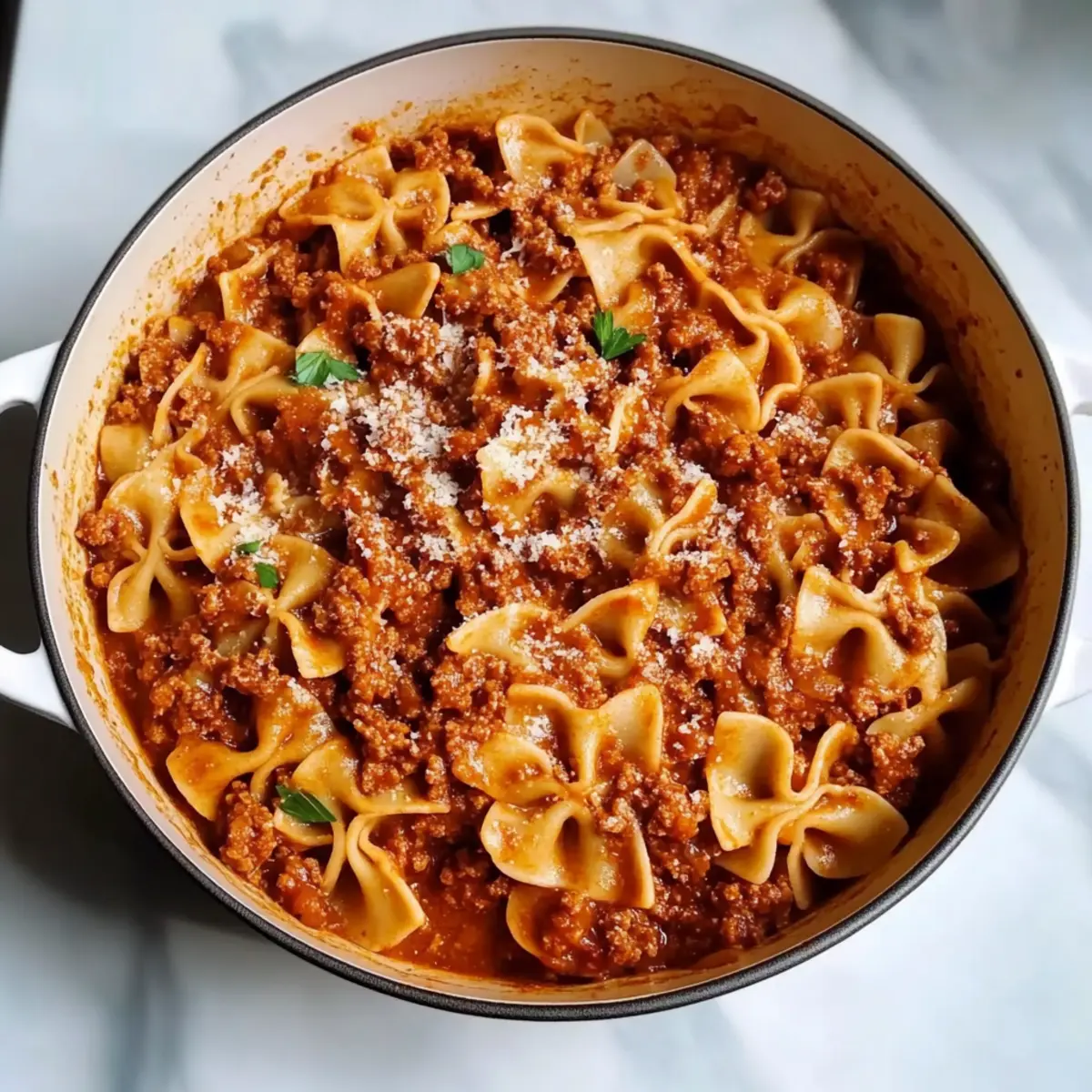
Gochujang Bolognese: A Spicy Twist on Comfort Food
Ingredients
Equipment
Method
- Begin by peeling and dicing one carrot, mincing three cloves of garlic, dicing one onion, and chopping two stalks of celery.
- In a heavy pot, heat 2 tablespoons of olive oil and 2 tablespoons of butter over medium heat. Add the diced onion, garlic, carrot, and celery to the pot. Sauté for about 5 minutes until softened and fragrant.
- Add 8 ounces of ground beef and 8 ounces of ground pork to the vegetables. Stir in 1 teaspoon of dried thyme, 2 tablespoons of gochujang, and 2 tablespoons of tomato paste, cooking until the meat is no longer pink.
- Pour in 1 cup of beef broth and scrape up any browned bits. Allow the mixture to simmer for about 1 minute.
- Stir in a 28-ounce can of crushed tomatoes, 1 cup of half-and-half, the Parmesan rind, and 2 bay leaves. Reduce heat to low and simmer uncovered for at least 20 minutes.
- While sauce simmers, bring a large pot of salted water to a boil. Cook your choice of pasta until just under al dente, reserving ½ cup of pasta water before draining.
- Add the drained pasta to the sauce, stirring in ½ cup of grated Parmesan cheese. Gradually add reserved pasta water until you achieve the desired consistency.
- Plate your Gochujang Bolognese, garnishing with fresh parsley or basil, and sprinkle extra Parmesan cheese on top.
Leave a Reply