
As the first blooms of spring peek through the soil, my kitchen becomes a canvas of colorful vegetables, beckoning me to create something vibrant. This Spring Pasta Primavera, a celebration of seasonal produce, showcases tender asparagus, bright zucchini, and juicy cherry tomatoes, all draped in a zesty lemon-herb sauce. This pasta dish is not only a quick meal to whip up in just 40 minutes but also perfect for those seeking a light dinner option that feels like a warm embrace. With its excellent adaptability, it’s easily customizable to suit your tastes, whether you prefer a dairy-free version or want to experiment with different spring veggies. So, are you ready to sprinkle some joy into your dinner routine with this delightful dish? Let’s dive in!
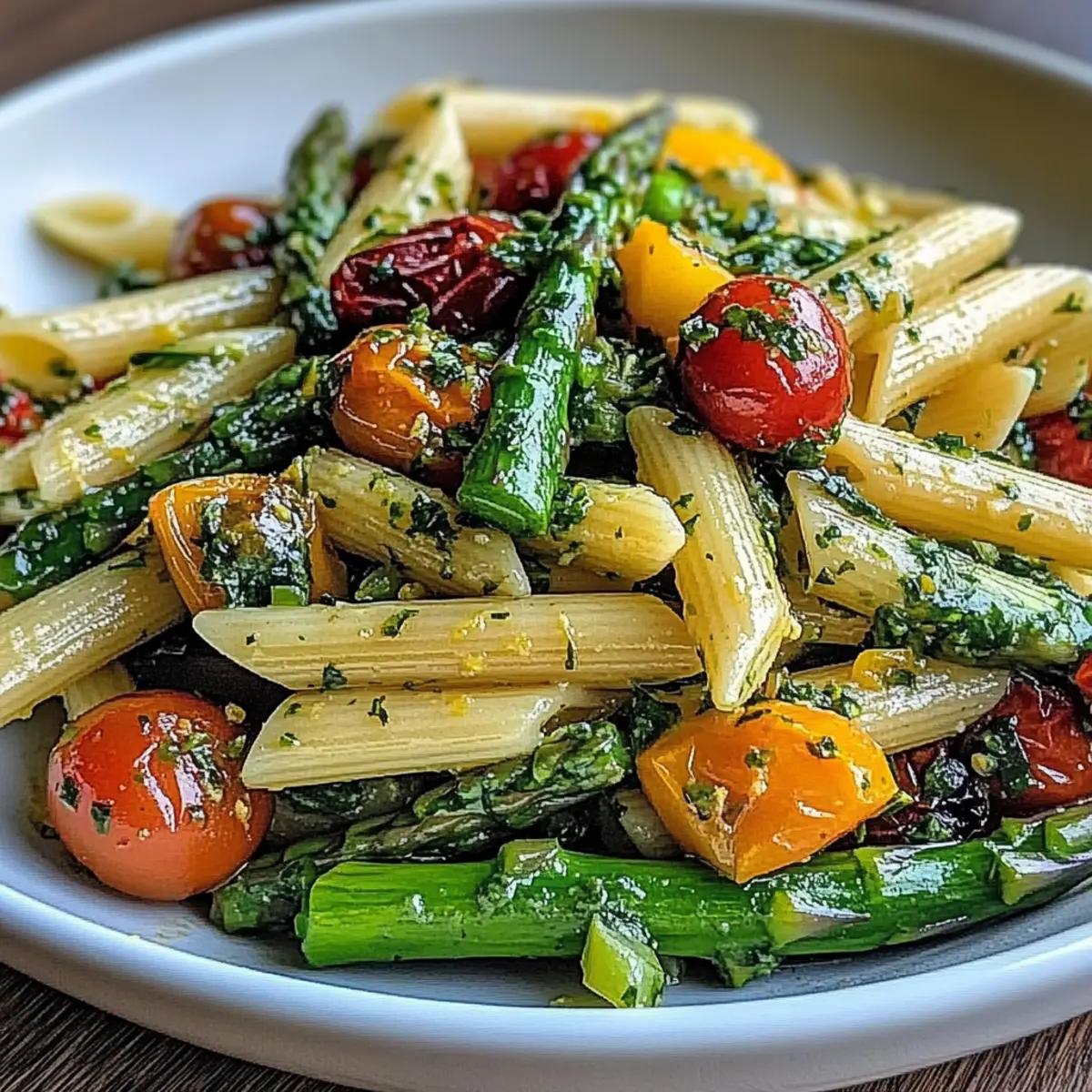
Why Choose Spring Pasta Primavera?
Vibrant flavors await in this dish! Bursting with fresh spring vegetables, this Pasta Primavera gives you a delightful mix of textures and colors that make your plate pop.
Quick and easy to prepare, it’s ready in just 40 minutes, ideal for busy weeknights or impromptu gatherings.
Customize freely; whether swapping in your favorite veggies or tweaking for a dairy-free version, this recipe adapts to your needs.
Crowd-pleaser with its zesty lemon-herb sauce, it brings everyone to the table for seconds!
Say goodbye to boring dinners and hello to this light and refreshing meal that revives your palate.
Spring Pasta Primavera Veggies
• Elevate your dinner with fresh flavors!
For the Pasta
- Penne or Farfalle – These short pastas hold the sauce beautifully, but feel free to swap with any short pasta like rigatoni.
For the Vegetables
- Zucchini – Adds freshness and a lovely texture; summer squash or eggplant can be good substitutes.
- Yellow Squash – Complements the dish with its sweet flavor.
- Asparagus – Offers a tender crunch; snap peas can be used for a different texture.
- Cherry Tomatoes – Bring a burst of sweetness and juiciness when cooked.
- Red Bell Pepper – Contributes vibrant sweetness for a colorful contrast.
- Peas – Whether fresh or frozen, they add a pop of sweetness to the dish.
For the Aromatics
- Garlic – Enhances overall flavor; fresh garlic brings the best taste, though powdered works in a pinch.
- Shallot – Provides a mild onion flavor that deepens the dish.
For the Fresh Herbs
- Fresh Basil – Essential for that authentic spring flavor; tarragon or marjoram can also be used.
- Fresh Parsley – Adds brightness to the dish; increase for more herbal goodness.
For the Sauce
- Lemon Zest and Juice – Vital for that zesty character which ties everything together.
- Olive Oil – Use extra-virgin for the best flavor when sautéing.
For the Finish
- Parmesan Cheese – Adds a smooth creaminess and umami; substitute with plant-based cheese for dairy-free.
- Salt, Pepper, and Red Pepper Flakes – Essential for seasoning; adjust to your palate.
This Spring Pasta Primavera showcases a range of fresh veggies, making it a vibrant and healthy choice for dinner. Enjoy!
Step‑by‑Step Instructions for Spring Pasta Primavera Veggies
Step 1: Cook Pasta
Begin by bringing a large pot of salted water to a rolling boil over high heat. Once boiling, add your choice of penne or farfalle and cook until al dente, usually about 8-10 minutes. Just before draining, reserve ½ cup of the pasta water to help create a luscious sauce later. Drain the pasta and set it aside in the colander for a moment.
Step 2: Sauté Aromatics
In a large skillet, heat 2 tablespoons of extra-virgin olive oil over medium heat. Once shimmering, add finely chopped shallot and minced garlic. Sauté for about 1 minute until fragrant and translucent; make sure not to let the garlic brown as this can lead to bitterness. This aromatic base will add wonderful depth to your Spring Pasta Primavera.
Step 3: Cook Vegetables
Next, add sliced zucchini, yellow squash, and trimmed asparagus to the skillet. Sauté these vibrant veggies for 4-5 minutes until they are just tender and maintain a slight crunch. The colors should brighten and the vegetables should lose their raw appearance. Stir occasionally to ensure even cooking, allowing the fresh flavors to meld beautifully.
Step 4: Add Tomatoes and Peas
Stir in halved cherry tomatoes and either fresh or frozen peas to the skillet. Continue cooking for another 2-3 minutes until the tomatoes start to soften and release their juices, coating the other vegetables. This step enhances the sweetness of your Spring Pasta Primavera, creating a delightful medley of flavors.
Step 5: Combine Pasta and Vegetables
Bring the drained pasta into the skillet, gently tossing it with the sautéed vegetables. Ensure that the pasta integrates well with the veggies so each bite is filled with color and texture. If the mixture seems dry, add a splash of the reserved pasta water to create a silky, cohesive blend.
Step 6: Finish with Herbs and Sauce
Incorporate the reserved pasta water, then add lemon zest and lemon juice along with finely chopped fresh basil and parsley. Drizzle with any remaining olive oil for richness. Season with salt, pepper, and a sprinkle of red pepper flakes for a gentle kick. Stir everything together until well combined, allowing the zesty flavors to shine in your Spring Pasta Primavera.
Step 7: Add Cheese and Serve
Remove the skillet from heat, and gently fold in freshly grated Parmesan cheese, enhancing the dish’s creaminess. Let it sit for a minute, and then serve immediately, garnished with additional cheese and fresh herbs. This warm, inviting Spring Pasta Primavera Veggies is ready to be enjoyed, perfect for anyone craving a light and refreshing dinner!
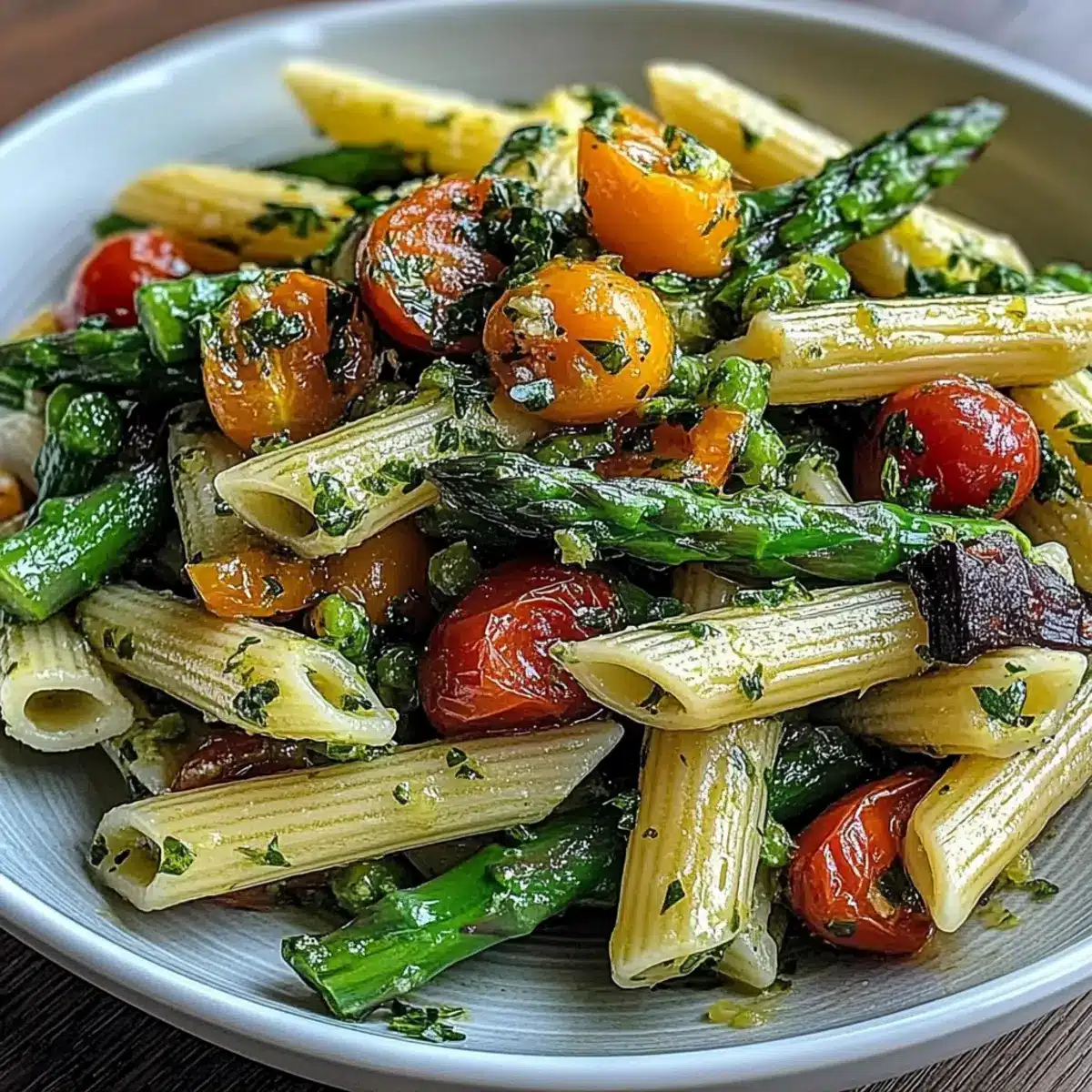
How to Store and Freeze Spring Pasta Primavera
Fridge: Store leftovers in an airtight container in the fridge for up to 3 days. Reheat gently in a skillet with a splash of olive oil to maintain texture.
Freezer: For longer storage, freeze portions in airtight freezer bags or containers for up to 2 months. Thaw overnight in the fridge before reheating for best results.
Reheating: Warm on the stove with a little reserved pasta water if needed, stirring until heated through. This keeps the flavors fresh in your Spring Pasta Primavera.
Make-Ahead: Prep vegetables and the sauce ahead of time; store in the fridge and cook the pasta at mealtime for a quick and easy dinner.
Spring Pasta Primavera Veggies Variations
Feel free to get creative and make this dish your own with delightful twists and substitutions!
-
Dairy-Free: Replace Parmesan cheese with nutritional yeast or your favorite plant-based cheese for a creamy finish without dairy.
-
Extra Greens: Add fresh spinach or kale for a nutrient boost and vibrant color. Both wilt beautifully into the dish.
-
Different Pasta: Swap in whole grain or gluten-free pasta to cater to dietary needs while keeping the heartiness intact.
-
Seasonal Surprise: Integrate other spring veggies like radishes or artichokes for added flavor and variety as they come into season.
-
Sweet Twist: Incorporate sun-dried tomatoes for a tangy, sweet surprise that keeps your taste buds dancing.
-
Heat It Up: Add a pinch of cayenne pepper or substitute red pepper flakes with fresh chili for a flavorful kick.
-
Cashew Cream: For an extra creamy texture, blend soaked cashews with garlic and lemon juice, then stir into the pasta before serving.
-
Protein Boost: Toss in some chickpeas or grilled chicken for added protein, making this dish heartier without losing its lightness.
For even more delicious pasta ideas, don’t miss out on our take on Creamy Beef Pasta or try our One Pot Pasta for a delightful twist!
Expert Tips for Spring Pasta Primavera
-
Seasonal Veggies: Use fresh, in-season vegetables for the best flavor. Adjust your Spring Pasta Primavera lineup based on what’s available at your local market.
-
Pasta Perfection: Avoid overcooking your pasta; aim for al dente to ensure it holds up against the sautéed veggies and sauce.
-
Flavor Boost: Always grate your lemon zest fresh right before adding it to maintain its aromatic qualities and the zesty essence of the dish.
-
Herb Happy: Experiment with different herbs like tarragon or marjoram if basil isn’t on hand, as they will add delightful and unique flavors to your Spring Pasta Primavera.
-
Keep it Crisp: Don’t overcrowd the pan while sautéing veggies. This prevents them from steaming and ensures a deliciously crisp texture!
Make Ahead Options
These Spring Pasta Primavera Veggies are perfect for meal prep, making your busy weeknights a breeze! You can chop and store the vegetables (zucchini, bell pepper, asparagus, and cherry tomatoes) in an airtight container in the fridge for up to 3 days. Additionally, prepare your lemon-herb sauce in advance and refrigerate it overnight to allow the flavors to meld. When you’re ready to enjoy your dish, simply cook the pasta fresh to maintain its delightful texture. Once the pasta is ready, toss it with the prepped veggies and sauce for a quick, fresh meal that’s just as delicious as if you made it on the spot!
What to Serve with Spring Pasta Primavera?
Brighten your table with delightful pairings that enhance your meal’s flavors and textures.
-
Garlic Bread: The warmth and crunch of garlic bread provides a satisfying contrast to the light pasta and fresh veggies. It’s perfect for soaking up every bit of that zesty lemon-herb sauce.
-
Mixed Green Salad: A crisp salad with seasonal greens and a light vinaigrette adds a refreshing crunch, balancing the dish’s richness while echoing the spring theme.
-
Grilled Chicken: For those seeking protein, the smoky flavor of grilled chicken pairs beautifully, adding a savory depth to the delightful spring flavors of your Pasta Primavera.
-
Roasted Vegetables: A medley of roasted seasonal vegetables can complement the dish’s freshness, adding a hearty dimension and varied textures to your meal.
-
Chardonnay or Pinot Grigio: A chilled glass of Chardonnay or Pinot Grigio elevates your dining experience, perfectly harmonizing with the zesty notes of the pasta sauce.
-
Lemon Sorbet: Close the meal on a refreshing note with lemon sorbet, whose tartness cleanses the palate and echoes the dish’s citrusy brightness.
By carefully choosing these elements, you’ll create a memorable dining experience that celebrates the vibrant flavors of spring.
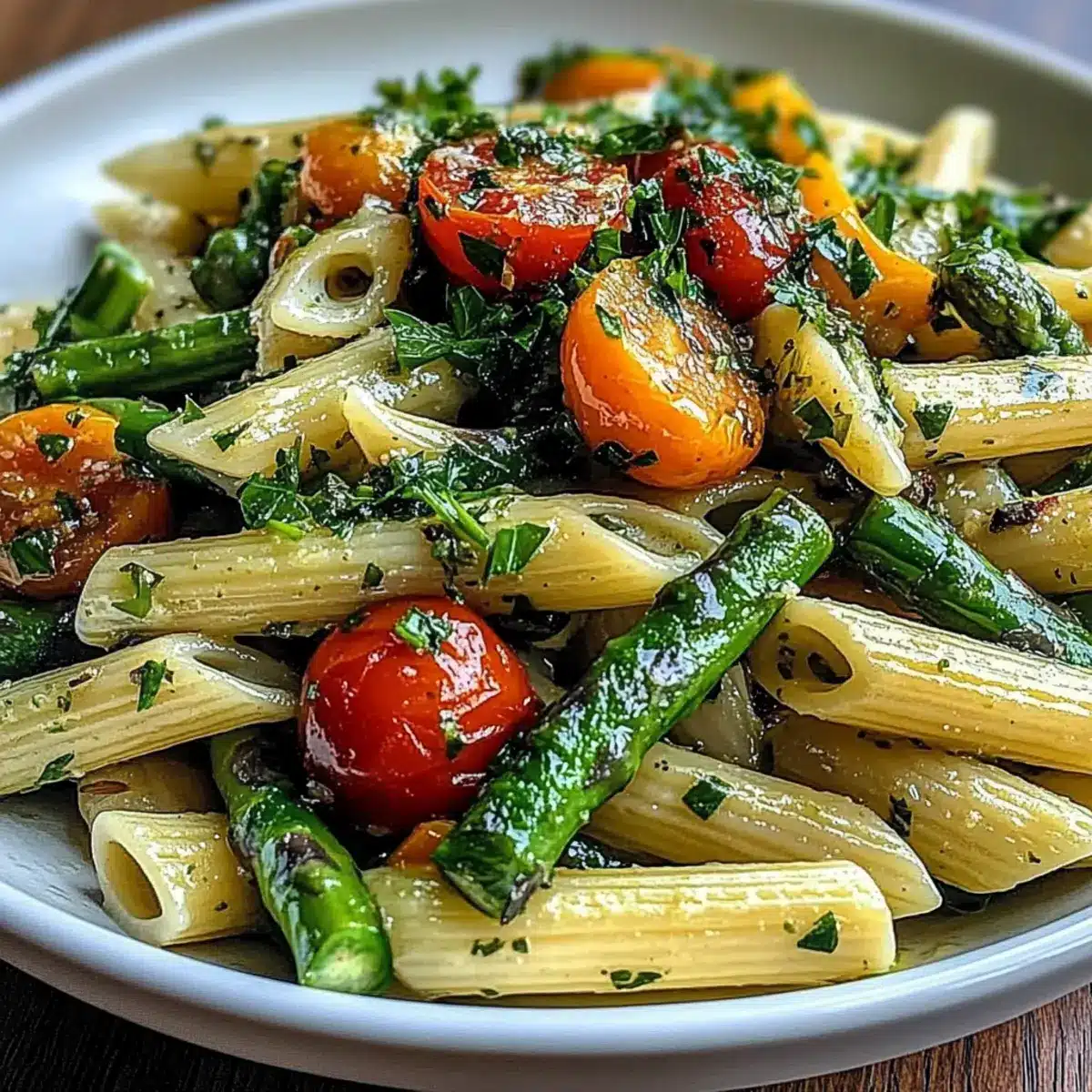
Spring Pasta Primavera Veggies Recipe FAQs
What vegetables are best for Spring Pasta Primavera?
Absolutely! The beauty of Spring Pasta Primavera is that you can use any fresh, in-season vegetables. My favorites include zucchini, asparagus, and cherry tomatoes, but feel free to mix in snap peas or yellow squash for variety. Always aim for vibrant colors and fresh textures!
How long can I store leftovers of Spring Pasta Primavera?
Leftovers can be stored in an airtight container in the fridge for up to 3 days. To reheat, I recommend warming them gently in a skillet with a splash of olive oil, which helps maintain the original texture and flavors.
Can I freeze Spring Pasta Primavera?
Yes, you can freeze it! For best quality, portion the pasta into airtight freezer bags or containers and store them for up to 2 months. When ready to enjoy, thaw overnight in the fridge and reheat on the stove with a splash of reserved pasta water to bring it back to life!
What should I do if my vegetables are overcooked?
If this happens, don’t fret! You can add a fresh splash of lemon juice and some extra herbs to perk up the flavors. Alternatively, pairing it with a fresh salad or crunchy bread can balance the meal.
Is this recipe suitable for dairy-free diets?
Very much so! You can easily make this dish dairy-free by substituting Parmesan cheese with a plant-based cheese or simply omitting it altogether. The zesty lemon-herb sauce will still shine through and make for a delicious meal!
How do I make Spring Pasta Primavera more flavorful?
I often add a sprinkle of red pepper flakes for a hint of heat or incorporate more herbs. Freshly grated lemon zest right before serving also enhances the dish’s bright flavors and aromatic quality, making it even more delectable.
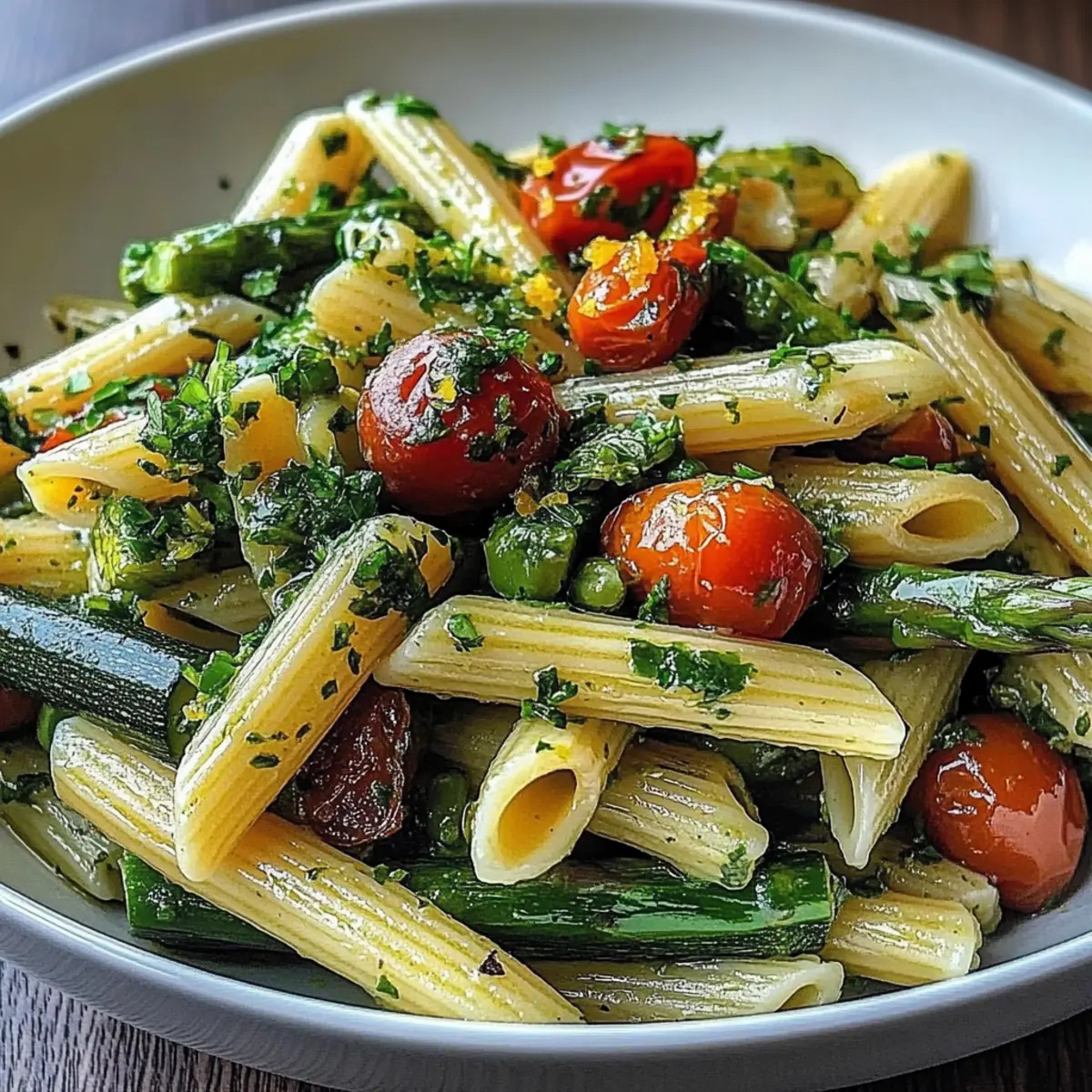
Spring Pasta Primavera Veggies with Zesty Lemon-Herb Twist
Ingredients
Equipment
Method
- Begin by bringing a large pot of salted water to a rolling boil over high heat. Once boiling, add your choice of penne or farfalle and cook until al dente, usually about 8-10 minutes. Just before draining, reserve ½ cup of the pasta water to help create a luscious sauce later. Drain the pasta and set it aside in the colander for a moment.
- In a large skillet, heat 2 tablespoons of extra-virgin olive oil over medium heat. Once shimmering, add finely chopped shallot and minced garlic. Sauté for about 1 minute until fragrant and translucent; make sure not to let the garlic brown as this can lead to bitterness.
- Next, add sliced zucchini, yellow squash, and trimmed asparagus to the skillet. Sauté these vibrant veggies for 4-5 minutes until they are just tender and maintain a slight crunch.
- Stir in halved cherry tomatoes and either fresh or frozen peas to the skillet. Continue cooking for another 2-3 minutes until the tomatoes start to soften and release their juices.
- Bring the drained pasta into the skillet, gently tossing it with the sautéed vegetables. If the mixture seems dry, add a splash of the reserved pasta water.
- Incorporate the reserved pasta water, then add lemon zest and lemon juice along with finely chopped fresh basil and parsley. Drizzle with any remaining olive oil.
- Remove the skillet from heat, and gently fold in freshly grated Parmesan cheese. Let it sit for a minute, and then serve immediately, garnished with additional cheese and fresh herbs.
Leave a Reply